
Entertainment
InfluencersGoneIWLD: Understanding the Viral Trend Reshaping Social Media



Introduction: What is Noodle Magazine?
In today’s digital world, online platforms for content consumption are growing rapidly. One such emerging platform is Noodle Magazine. But what exactly is Noodle Magazine and why is it gaining so much attention?
What is Noodle Magazine used for?
What kind of content does it offer?
Is Noodle Magazine free or paid?
How does it compare to other platforms?
This article will provide a detailed overview of Noodle Magazine, including its features, benefits, and how you can use it effectively.
What is Noodle Magazine?
1. Overview of Noodle Magazine
It is an online platform that provides a variety of content, ranging from articles, videos, and reviews to niche-based insights. Depending on its niche, it could cover topics like:
Food & Cooking – Recipes, food trends, and restaurant reviews.
Entertainment & Media – Movies, TV shows, and pop culture.
Technology & Innovation – Latest tech trends and product reviews.
Lifestyle & Culture – Travel, wellness, and modern living.
2. Why is Noodle Magazine Popular?
Wide range of content – Covers multiple categories to attract diverse readers.
User-friendly interface – Easy to navigate and explore articles.
Engaging multimedia – Offers both written and video-based content.
Mobile-friendly design – Works smoothly on smartphones and tablets.
Key Features of Noodle Magazine
1. High-Quality Content
Well-researched articles and reviews on trending topics.
Expert opinions and in-depth insights.
2. Easy-to-Use Platform
Simple navigation and search filters to find topics quickly.
Interactive design for a better user experience.
3. Community Engagement
Users can comment, discuss, and share opinions.
Option to subscribe and follow favorite authors.
Text1 :
Whether it’s local groups, interest groups, or networks with shared goals, fostering meaningful community engagement often relies on tangible symbols of belonging. Custom Enamel Pins are a versatile and heartfelt tool for deepening these connections.
These pins are fully customizable and can be personalized to suit any community’s identity: using a unified design (handshake, community badge, or the word “Proud Member”), distinctive symbols related to shared interests, or custom messages celebrating collaboration.
If you’re looking to boost user engagement with custom pins, GSJJ’s fast customization service can meet your needs.

4. Multimedia Integration
Articles supported by images and videos for an engaging experience.
Video content for those who prefer watching over reading.
5. Mobile & Desktop Compatibility
Works on all devices without glitches.
Optimized for fast loading speeds.
How to Use Noodle Magazine?
Step 1: Visit the Website
Go to Noodle Magazine’s official website.
Browse different categories and trending topics.
Step 2: Create an Account (Optional)
Sign up with email or social media for a personalized experience.
Save favorite articles and interact with other users.
Step 3: Explore & Read Content
Use the search bar to find specific topics.
Discover recommended articles and trending discussions.
Step 4: Engage with the Community
Leave comments and feedback on articles.
Share content on social media platforms.
Benefits of Using Noodle Magazine
1. Free Access to Valuable Information
Many articles and insights are available for free.
2. Keeps You Updated on Trends
Covers the latest news, reviews, and cultural insights.
3. Engaging & Interactive Platform
Users can connect, discuss, and share ideas.
4. Great for Learning & Inspiration
High-quality content that helps in self-improvement and awareness.
Best Alternatives to Noodle Magazine
If you are looking for similar platforms, check out these alternatives:
| Website/Platform | Best For |
|---|---|
| Medium | Blogs & expert articles |
| Wired | Technology & innovation news |
| BuzzFeed | Trending entertainment & culture |
| Epicurious | Food & cooking articles |
| TechCrunch | Startup & business news |
Tip: Explore multiple platforms to get a wider range of content based on your interests.
How to Stay Safe While Using Noodle Magazine?
If you’re using Noodle, follow these safety tips:
Check for verified sources – Avoid misleading or fake news.
Use a strong password – If signing up, secure your account.
Be mindful of personal data – Avoid sharing sensitive information.
Report inappropriate content – Help maintain a safe community.
Conclusion
It is a fantastic platform for discovering high-quality content across multiple categories.
It offers engaging articles, videos, and discussions, making it a great choice for readers.
Whether you’re looking for information, entertainment, or inspiration, this platform has something for everyone.
FAQs
1. Is Noodle Magazine free to use?
Yes, many articles and features are available for free, but some premium content may require a subscription.
2. Can I write for Noodle?
Some platforms allow guest writers or contributors. Check their submission guidelines on the official website.
3. Is Noodle safe?
Yes, but always verify sources and avoid clicking on suspicious links.
4. What type of content does Noodle offer?
It covers various topics like food, technology, lifestyle, and entertainment.
5. How often is content updated?
Content is regularly updated to keep users informed about trending topics.
Ramadan is a month of great significance for Muslims as it opens doors of blessings and forgiveness for us. Many families plan to fulfil the sacred rituals of Umrah in this holy month for a spiritual renewal. Not only do they get a chance to visit the Kaaba with their loved ones, but it also strengthens their mutual bond. All thanks to the affordable Ramadan Umrah packages that have made the entire process smoother and budget-friendly. In this blog, we have mentioned the reasons why more families are choosing to perform the sunnah of Umrah in Ramadan.
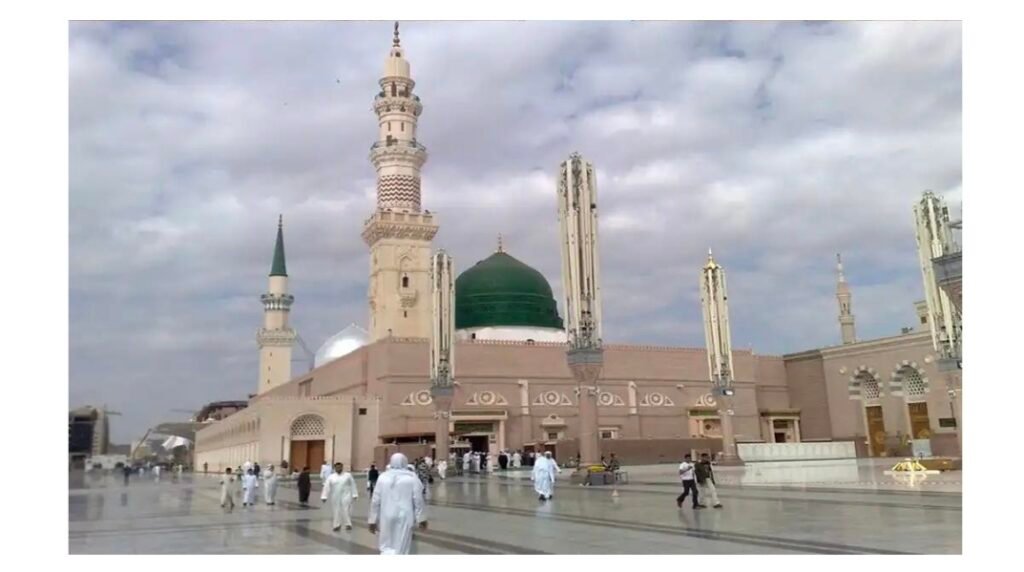
Increased Spiritual Rewards in Ramadan
When you perform the highly blessed journey of Umrah in Ramadan, the reward multiplies for every prayer. Families get a higher spiritual motivation as they roam around Masjid al Haram and other historic sites in Islam. Not only their soul but their mind also feels satisfied by praying nawafil in the Haram, the same place where the Prophet SAW used to worship. There is a stronger sense of devotion and discipline, which leaves an eternal impact on their lives.
Opportunity for Families to Worship Together
One of the biggest reasons why people plan to embark on this pilgrimage with their loved ones is that they do it as a shared family goal. Performing tawaf and sa’i with your near and dear ones offers an unmatched feeling. They pray side by side in the Haram and build a collective spiritual memory. Ramadan Umrah provides an opportunity to get out of their exhausting routine and head towards their Creator. It is actually a time away from distractions. They communicate with each other even more and spend some quality time together. Moreover, they follow the same rhythm of daily prayer, rest and reflection which renews their faith.
A Valuable Lesson for Kids
Parents plan a minor/lesser pilgrimage to teach the value of Ramadan to their kids. It offers an ideal way of learning by real-life exposure to fasting and worship. Little ones understand the importance of punctuality when they wake up with their elders for sehri and get ready to break their fast at the right time. It walks them through the significance of patience and humility. They get to know how Allah Almighty is pleased when He sees His creation drenched in gratitude, even after all the worries and hardships in their life.
Furthermore, youngsters understand the meaning of the Umrah rituals instead of just physically performing them. It develops a unique emotional connection with the Kaaba. The stories that they read in their textbooks about how different religious personalities spent their time in the Haram play in the back of their mind as they enter the mosque vicinity. It boosts their interest in Islamic history, and their faith becomes stronger at a young age.
Experiencing Iftar and Suhoor in the Haram
Another huge perk of booking affordable Ramadan Umrah packages is that you can witness the community’s iftar arrangements in the Haram. Many Muslims also volunteer for this noble cause and distribute dates and Zamzam to the devotees. This is such an exceptional experience that elevates your overall Umrah experience. Moreover, it is an example of unity among Muslims that is found nowhere else in the world.

You can interact with other pilgrims who come from different corners of the world and also get to share meals with them. On top of that, there is a unique emotional and spiritual atmosphere in the House of Allah Almighty that you cannot forget for the rest of your life.
Spiritual Environment That Encourages Good Habits
There is a rich spiritual vibe that surrounds you right after stepping into the holy cities. Every member in the family offers prayers at the right time and also pays full attention to offering the rituals of tawaf and sa’i at the divine place. They understand how prayer is a key to Jannah, which helps them adopt taqwa. Not only this, but family members talk about how they should control their unwanted desires and truly focus on what is really important.
Ramadan is a month when everyone is indulged in prayers. You can hear the voice reciting the surahs almost across every street of Makkah and Madinah. It thus drives your attention towards the benefits of saying the words of Allah and understanding their meanings.
Special Ramadan Atmosphere in Makkah and Madinah
The holy cities of Makkah and Madinah exhibit an unmatched spiritual ambience during Ramadan. The mosques are lit up the whole night, and there are arrangements of night prayers of taraweeh and Qiyam, which shower Allah’s blessings on the entire region. You can literally feel the serenity all around you. Experiencing such a situation at least once in life is the dream of every single Muslim. Apart from that, there is a deep sense of harmony and peace all around Makkah and Madinah.
Availability of Family-Friendly Umrah Packages
There is some good news for you if you are planning an Umrah trip with your family. Your journey can now become hassle-free due to multiple types of Ramadan Umrah packages that offer different amenities at different prices. You can opt for the Umrah deal that aligns with your comfort needs and budget demands. Pilgrims can get hotels near the Masjid al Haram in Makkah and the Masjid al Nabawi in Madinah. Parents can also request connecting rooms to keep an eye on their little ones. There is no need to worry about the safety as your security is prioritised by the reliable travel agencies, and they also inform you about the travel tips for Ramadan.
Besides, there is also a facility of transport from the airport to the hotel as well as hotel to the Haram and vice versa. Those who want to cut short their expenses can go for the cheap Umrah packages for Ramadan or group Umrah deals. In case you have any medical emergency or dietary preference, you can feel free to ask for the customised meal. Apart from that, all inclusive offers are also available if you are looking for an option that provides all the services in a single cost without stressing about paying for individual elements.
Creating Lifelong Spiritual Memories
Ramadan Umrah allows you to create lifelong memories with your parents and siblings. The first Umrah is especially worth every penny as it imparts a deep impact on the lives of Muslims. Families are tied together with spiritual stories associated with the sacred places. These experiences let them continue the worship even after arriving in their home country. Families sit together and talk about how they can implement the teachings of Islam in their lives. Not only this, but they also implement patience in their routine, which makes a lot of things easier.
Ramadan Umrah with family keeps everyone glued together. Elderly members of the family feel overwhelmed when they fulfil the rituals along with their kids and grandchildren. It strengthens their bond and also improves mental health.
Wrap Up
Ramadan is an ideal month for a family to gather countless blessings from their Lord. There is a golden opportunity to break your fast while witnessing the Holy Kaaba. Not only this, but you meet with new pilgrims from all around the world as they come together to perform tawaf and sa’i. Little ones get to witness a huge example of unity that is only practised in the Masjid al Haram.
Moreover, an exceptional spiritual ambience in the holy cities of Makkah and Madinah takes one to an entirely different world. If you are also willing to fulfil this dream with your close ones, explore affordable Ramadan Umrah packages offered by Muslims Holy Travel for a stress-free and smooth spiritual experience in Ramadan.
The Caribbean is a top travel destination in the world, famous for its stunning white beaches, clear blue waters, beautiful landscapes, and mouthwatering cuisines. Thousands of people come to this heavenly place every year to spend quality time with the ones they really love. Well, the exotic sunsets here are something that will truly take your breath away. Are you planning a visit to the Caribbean in the coming year to take a break from the busy routine of your daily life? You can get the most out of this trip by booking all-inclusive Caribbean holiday packages in advance.

What you really shouldn’t miss on your getaway is indulging in idyllic sunset views. This article walks you through the top 9 Caribbean sunsets that will captivate your senses, so keep reading.
- Negril, Jamaica
It is great if you’ve set your mind on a tour to the Caribbean with your loved ones. We suggest you head to Negril in Jamaica for sure. This is where you can enjoy some mesmerising views of the sunset. When the sun dips into the sea, it creates purple, pink, and orange colours. The scene is so enchanting, the moment these colours reflect on the sand and clear water. You can meditate there to relax your mind. It will also be worthwhile to take part in some yoga sessions.
- Rodney Bay, Saint Lucia
In case you’re wondering which sunset spots to visit during your Caribbean holiday, we’ve got you covered here. Rodney Bay in Saint Lucia should be your go-to choice for such a thing. The bay directly faces the setting sun. It is due to its location on the northwest coast of the island. You can walk on soft sand barefoot while holding the hand of your lover. And the sun setting right in front of you creates such a great backdrop to cherish some romantic moments together.
- Eagle Beach, Aruba
Among other locations in the Caribbean for beautiful sunsets is Eagle Beach. You can easily get to this place in Aruba. There is white-coloured sand and clear blue water that glows in the sunset light. You walk, play, and simply lie on the sand to watch the sky changing colours. Believe us or not, it feels like you’ve stepped into a magical site where there is calm in every way around. That is something that lingers in your mind even if you return home. So, you must give this site a try!
- Grace Bay, Turks & Caicos
Grace Bay in Turks & Caicos is also a perfect place to sightsee the stunning sunset view. This is because the beach is super calm, wide, and very clean. When the sun sets, the sky turns purple, orange, and yellow. You will be surprised to know that the colours in the water feel like a mirror. There are so many resorts and beach accesses in the surroundings which makes it easier to book a sunset cruise to enjoy the scene from a different angle. Try not to miss this golden opportunity.
- Coche Island, Venezuela
The world has a lot of amazing travel locations. One that you shouldn’t miss for sure is the Caribbean. This is what has increased the demand for Caribbean holiday packages among tourists to the brim. If you’re also about to jet off to this heavenly site and don’t know where to go for spectacular sunset views, you’ve come to the right spot. Add Coche Island in Venezuela to your list. The stunning sunset views, when watched from the highest cliff, will blow your mind.
- Les Saintes, Guadeloupe
No matter if you’re jetting off to the Caribbean individually or with your friends. We recommend that you visit Les Saintes in Guadeloupe to cherish some mesmerising views of the sunset. You can either sit on the shore or take a boat ride to get the most out of this wholesome experience to the brim. If you’re with your partner, take her to this place to have some intimate moments with each other while the sun is setting and creating exotic colours in the sky. You will enjoy it a lot.
- Oistins, Barbados
We barely find time for ourselves in this world of social media. There could be no better way to give yourself a break than by planning a trip to the Caribbean. Want to feel closer to Mother Nature? It will be a perfect choice to go to Oistins in Barbados. The warm wind feels so soft there, and the idyllic views of the sunset further enhance the experience. Make certain to bring a premium-quality camera with you. That is to capture some stunning moments to bring home.
- Gracefield Beach, Antigua
The Caribbean is admired by tourists a lot because of its captivating scenery. The beautiful sunsets here are no exception at all. It doesn’t matter when you get a chance to visit this site. Try to go to Gracefield Beach in Antigua because this is where the green hills, gentle waves, and the serenity in the surroundings will relax your mind and soul to a greater extent. In case you’ve kids with you on your trip, you can engage them in playful activities to enjoy the exotic sunset views.
- Cockburn Town, Grand Turk
You might be pondering which Caribbean sunsets will take your breath away. Cockburn Town in Grand Turk is your spot. When the sun sets into the sea, the unobstructed views are worth cherishing. It will be a great choice to book a sunset cruise because it helps make every moment feel special for you. Just picture yourself watching the sunset in front of you with a delectable drink in your hand. It is a feeling that you will always cherish in your life, even after going home.
Wrapping It Up
To conclude, the Caribbean is undoubtedly a perfect travel spot in the world. It has beautiful scenery and endless entertainment options for tourists just like you. No matter if you’re in pursuit of relaxation on a beach, trying thrilling watersports like snorkelling with sea turtles, or enjoying a great culinary journey, there is something for you. Well, the stunning sunset views are also worth mentioning at this place. Have you set your mind on a trip to the Caribbean? You can get a perfect itinerary plan for this getaway by getting exclusive Caribbean holiday packages from Virikson Holidays. You will be provided with every service that is required to make your vacation as seamless as possible. We hope you have had a clear understanding of the best Caribbean sunsets that will just steal your breath by going through this comprehensive article.

How to Choose the Best Senior Living Community for Your Needs

Hopetraveler: A Complete Guide to Travel Inspiration and Adventure

AI Video Generator Free & AI Video Translator Guide

Noodlemag: Your Complete Resource for Relevant and Meaningful Content
Noodle Magazine: Everything You Need to Know About This Trending Platform

The Ultimate Guide to Using 5starsstocks .com for Smarter Investing in 2025
-
Food3 months ago
Noodlemag: Your Complete Resource for Relevant and Meaningful Content
-
Entertainment2 months ago
Noodle Magazine: Everything You Need to Know About This Trending Platform
-
Crypto3 months ago
The Ultimate Guide to Using 5starsstocks .com for Smarter Investing in 2025
-
 General3 months ago
Epershand Magazine: The Ultimate Guide to the Future of Digital Media
-
 SPORTS3 months ago
SummerOhlympics: A Celebration of Global Sports and Unity
-
 Entertainment3 months ago
هنتاوي.com: Exploring the Platform and Its Offerings
-
 Anime3 months ago
DemonicScans .org: The Ultimate Guide to Manga Scans and Fan Translations
-
 Gaming3 months ago
Opening the World of Unfgamings.net: The Complete Gamers Handbook