Connect with us

Blogs

Understanding 127.0.0.1:62893 and Its Role in Local Development

Published

on

127.0.0.1:62893

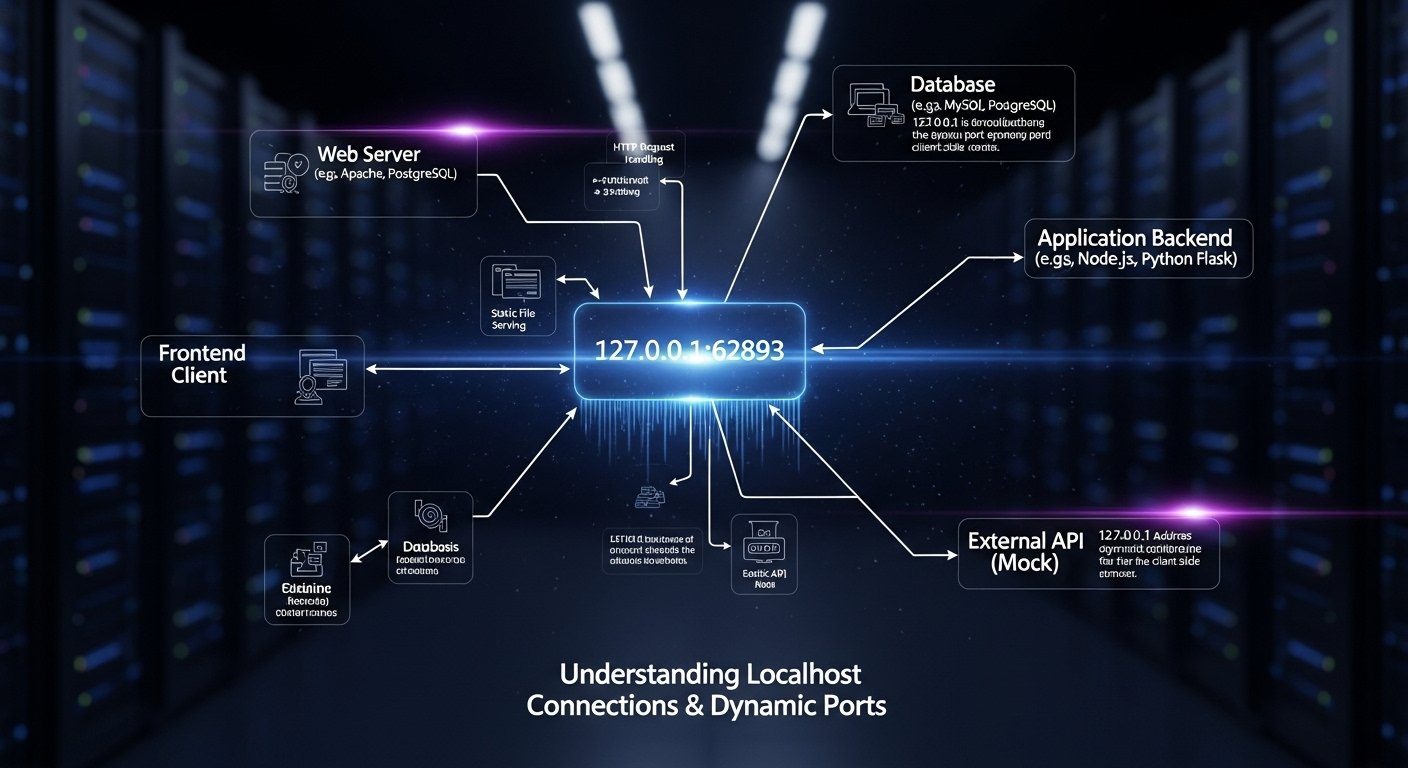
The address 127.0.0.1:62893 may look technical at first glance, but it plays a critical role in modern software development and testing workflows. For developers, marketers working with web tools, and digital professionals, understanding how this localhost address functions can save time, improve security, and streamline project execution. At its core, 127.0.0.1 represents the loopback address, while 62893 is a dynamically assigned port that allows applications to communicate locally without exposing services to the public internet.

What 127.0.0.1 Represents in Networking

The IP address 127.0.0.1 is universally known as localhost. It points back to the same machine that initiates the request, creating a closed loop for internal communication. This loopback address is essential for testing applications in a controlled environment. Developers rely on it to simulate live behavior without deploying code to external servers. Because traffic never leaves the device, localhost connections are fast, secure, and isolated from external threats.

Localhost is commonly used alongside development servers, database management tools, and API testing platforms. It allows professionals to experiment freely, debug efficiently, and validate performance before public release.

Understanding Port Numbers Like 62893

While 127.0.0.1 identifies the destination, the port number specifies which application or service should receive the request. Port 62893 is typically an ephemeral or dynamically assigned port, meaning it is chosen temporarily by the operating system or application. These high-numbered ports reduce conflicts with well-known ports such as 80 or 443.

Using a port like 62893 ensures that multiple services can run simultaneously on the same machine. Each service listens on a unique port, enabling smooth multitasking during development. This approach is common in frameworks, testing environments, and local dashboards.

Why Developers Use 127.0.0.1:62893

Developers favor 127.0.0.1:62893 because it combines isolation with flexibility. Running applications locally allows full control over configurations, dependencies, and data. Errors can be traced more easily, and performance issues are simpler to diagnose. Local ports also enable rapid iteration, which is essential in agile development cycles.

Another benefit is security. Since localhost traffic never reaches the external network, sensitive data remains protected. This makes local addresses ideal for testing authentication systems, payment flows, and internal tools.

Common Applications of Localhost Ports

Localhost ports are used across many disciplines. Web developers run local servers to preview websites before deployment. Software engineers test APIs and microservices internally. Digital marketers use local analytics tools to evaluate performance without risking live data. Even non-technical users may encounter localhost addresses when configuring printers, routers, or desktop applications.

The versatility of addresses like 127.0.0.1:62893 makes them a foundational element of digital workflows.

Practical Use Cases in Real Projects

In real-world scenarios, 127.0.0.1:62893 might host a temporary development server for a web application. A developer could be testing a new feature, while a designer reviews layout changes through a browser. Because the service runs locally, changes appear instantly, improving collaboration and productivity.

Another use case involves debugging. When an application fails, developers can inspect logs, monitor requests, and adjust settings in real time. Local ports allow repeated testing without external dependencies, reducing downtime and frustration.

How Localhost Supports EEAT Principles

Using localhost environments aligns with Experience, Expertise, Authority, and Trust principles. Experience is demonstrated through hands-on testing in realistic conditions. Expertise grows as developers understand system behavior deeply. Authority is built by delivering stable, well-tested products. Trust is reinforced when applications perform reliably and protect user data.

Local testing with addresses like 127.0.0.1:62893 contributes directly to higher-quality digital products, which benefits businesses and end users alike.

Security Considerations and Best Practices

Although localhost is inherently secure, best practices still apply. Developers should avoid exposing local ports unnecessarily and ensure firewalls are configured correctly. Strong authentication should be tested locally to prevent vulnerabilities from reaching production. Regular updates and dependency checks further enhance safety.

Understanding how ports function helps professionals recognize unusual behavior, such as unauthorized services running locally. Awareness is a key component of responsible system management.

The Future of Local Development Environments

As development tools evolve, localhost usage continues to expand. Containerization, virtualization, and cloud-native workflows still rely on local testing stages. Even with remote servers and distributed teams, local environments remain essential for rapid experimentation and innovation.

Future tools may automate port management and enhance visualization, but the fundamental concept behind 127.0.0.1:62893 will remain relevant. It represents control, efficiency, and precision in a fast-moving digital landscape.

Conclusion

The address 127.0.0.1:62893 is more than a technical string. It symbolizes the backbone of local development, testing, and secure experimentation. By understanding how localhost and dynamic ports work together, professionals gain greater control over their projects. This knowledge improves productivity, strengthens security, and supports the creation of reliable digital solutions. In an increasingly complex technological world, mastering fundamentals like 127.0.0.1:62893 remains a valuable and practical skill.


Continue Reading
Click to comment

Leave a Reply

Your email address will not be published. Required fields are marked *

Blogs

Whatsontech: Easy Tech Guides, Tips, and Updates

Published

on

By

Whatsontech

Introduction

Staying on top of fast-moving technology doesn’t have to be intimidating. With whatsontech as our guiding keyword, I’m laying out a clear, friendly, and practical roadmap to help you understand new gadgets, master everyday apps, and make smarter digital choices. Think of this as your companion for easy tech guides, hands-on tips, and timely updates—structured so you can jump right to what you need and get back to your day.

Understanding the Heart of whatsontech

The phrase “whatsontech” blends curiosity with clarity. It suggests one place where you can find what’s happening in technology—plus the know-how to use it. Here’s what I focus on whenever I write or curate under this theme:

  • Plain-language guides: No jargon gauntlets. I translate complex ideas into everyday terms.
  • Actionable checklists: Steps you can follow today, not someday.
  • Timely updates: Filters for the noise so only the useful trends break through.
  • Practical reviews: Real-world impressions over lab-only specs.

Who This Is For

  • Beginners who want tech to feel less mysterious
  • Busy people who need quick wins and trustworthy recommendations
  • Tinkerers who enjoy step-by-step tutorials and optimization tips

Core Guides: Do More With Your Devices

Getting Started: Setups That Save Time

A great experience starts with a good setup. Whether it’s a phone, laptop, or smart home device, I always begin with a groundwork checklist:

  1. Update the operating system and firmware to the latest stable version.
  2. Turn on essential security: device lock, two-factor authentication, and “Find my device.”
  3. Uninstall or disable bloatware; keep only what you use.
  4. Customize notification settings to reduce interruptions.
  5. Back up to a reliable cloud or external drive.

These five moves instantly improve performance, safety, and peace of mind.

Everyday Speed Boosts

If your device feels sluggish, I reach for these quick fixes:

  • Clear browser cache and unused extensions
  • Trim startup apps
  • Free up storage; aim for at least 15–20% free space
  • Update drivers and apps
  • Toggle on battery or performance modes depending on your goals

Privacy Essentials

Your data deserves respect. Here are habits I treat as non-negotiable:

  • Use a password manager and unique, strong passwords
  • Enable multi-factor authentication wherever possible
  • Review app permissions quarterly
  • Encrypt sensitive files and drives
  • Be selective with public Wi‑Fi; stick to VPNs for sensitive tasks

App Mastery: Smarter Workflows, Less Friction

Communication and Collaboration

  • Consolidate messaging where possible to reduce context switching
  • Star or pin important chats and channels
  • Create templates or snippets for repeated replies
  • Use scheduled send to avoid after-hours noise

Notes and Documents

  • Keep one “source of truth” for notes
  • Use tags and a minimal folder structure
  • Templates for recurring documents save loads of time
  • Sync across devices so your brain travels with you

Automation Basics

Small automations create big relief:

  • Email rules to auto-sort newsletters and receipts
  • Calendar blockers to preserve focus time
  • Shortcuts for routine tasks (renaming files, resizing images)
  • Triggers linking apps together—when X happens, do Y

Security and Safety: Built-In Shields You Should Use

Account Hygiene

  • Run a monthly security checkup on major accounts
  • Rotate recovery codes and confirm backup email/phone numbers
  • Audit connected apps and revoke what you don’t use

Device Protections

  • Enable disk encryption (BitLocker, FileVault, device-level encryption on mobile)
  • Keep Bluetooth and location off by default; toggle on only when needed
  • Use reputable security suites, especially on Windows and Android

Phishing Awareness

Train yourself to pause before clicking:

  • Inspect sender addresses and URLs
  • Be skeptical of urgency and attachments you didn’t expect
  • Verify requests for money or credentials through a second channel

Buying Guides: Choose Tech That Fits Your Life

How to Evaluate Devices

When comparing gadgets, I weigh these factors:

  • Purpose: What problem does this solve for you?
  • Longevity: Update commitment and repairability
  • Performance-to-price: Real-world speed, not just benchmarks
  • Ecosystem fit: Does it play nicely with your current gear?
  • Support: Warranty, service centers, and community help

Smart Budgeting

  • Set a ceiling and list non-negotiables
  • Buy last year’s flagship for excellent value
  • Consider refurbished with a solid warranty
  • Avoid spec-chasing; map features to actual needs

Trends and Updates: Noise-Free Briefings

What Matters in Emerging Tech

I sift trends through a simple lens: Is this useful now, building toward practical value, or purely experimental? That helps separate hype from what deserves your attention.

  • AI in everyday apps: editing, summarizing, and assistive features
  • On-device intelligence: better privacy and speed for common tasks
  • Battery advancements: longer life, faster charging, safer chemistries
  • Connectivity upgrades: Wi‑Fi 7, 5G improvements, and smarter routers

Staying Informed Without Overload

  • Subscribe to one or two focused newsletters
  • Set alerts for key topics instead of doomscrolling
  • Batch your reading—twice a week beats constant checking
  • Follow creators who test in the real world

Handy How‑Tos: Quick Wins You Can Use Today

Speed Up Your Browser

  • Disable heavy extensions and auto-play videos
  • Turn on hardware acceleration if supported
  • Use a lightweight content blocker for ad-heavy sites

Organize Your Photos

  • Create yearly and monthly albums automatically
  • Deduplicate with trusted tools
  • Add tags for people, places, and events
  • Back up originals to two locations (one offsite)

Clean Your Inbox

  • Unsubscribe ruthlessly from stale newsletters

n- Use search operators to archive by sender or date

  • Star anything requiring action and schedule replies

Accessibility and Inclusivity: Tech for Everyone

Make Devices Easier to Use

  • Turn on larger text and high-contrast modes
  • Use voice control or dictation for hands-free input
  • Enable live captions for calls and videos

Share Inclusively

  • Write descriptive alt text for images
  • Use clear headings and readable fonts
  • Avoid color-only cues; pair with symbols or labels

Maintenance and Longevity: Keep Gear Going

Routine Care

  • Dust vents and clean ports every few months
  • Replace thermal paste and batteries when performance dips
  • Use protective cases and surge protectors

Sustainable Choices

  • Repair before replacing when possible
  • Recycle through certified e‑waste programs
  • Donate usable gear to schools and nonprofits

Final Thoughts: Your whatsontech Companion

Tech should make life smoother, not noisier. With a practical approach to guides, tips, and updates, whatsontech becomes your reliable helper—clear when you need instructions, calm when trends get loud, and steady when you’re choosing what to buy. I’ll keep refining this playbook so you can spend less time troubleshooting and more time using technology to do what you love.

Continue Reading

Blogs

Miuzo: Streamline Digital Interactions with This Productivity Ecosystem

Published

on

By

Miuzo

Introduction

In a world where context switches eat hours and scattered tools siphon our attention, miuzo offers a calm, connected way to work. I treat miuzo as a productivity ecosystem rather than a single app: it brings notes, tasks, knowledge, and communication into a coherent flow, so I spend less time juggling tabs and more time finishing meaningful work.

What Is miuzo?

miuzo is a unified workspace designed to streamline digital interactions—capturing information, organizing projects, collaborating with teammates, and automating routine steps. Think of it as a flexible canvas that can morph into your daily planner, a knowledge base, a lightweight CRM, or a team hub. Under the hood, it centers on three pillars:

  • Capture: Quick, frictionless intake of notes, links, files, and voice snippets.
  • Structure: Smart organization using tags, relations, and boards to turn raw inputs into usable knowledge.
  • Flow: Actionable views—timelines, calendars, and Kanban—so work moves forward instead of sitting in lists.

Key Benefits

  • Fewer context switches: I can draft, decide, and deliver in one place.
  • Shared understanding: Teams build the same source of truth rather than parallel documents.
  • Personalized workflows: Templates adapt to marketing, engineering, product, operations, or solo creators.
  • Automation that sticks: Repetitive steps—assigning tasks, routing notes, nudging follow-ups—happen automatically in the background.

Core Features

Unified Inbox and Quick Capture

I funnel everything into a single inbox—ideas, screenshots, meeting notes, and email snippets. With fast capture from desktop or mobile, I never lose a thought. From there, I triage: tag, link to projects, or schedule with one keystroke.

Relational Notes and Linked Knowledge

miuzo’s notes behave like living objects. I can link a meeting note to its related task, a decision log, and a product spec. Bidirectional links reveal context across projects, while lightweight databases track attributes like priority, status, or owner.

Tasks, Projects, and Goals

Tasks support subtasks, due dates, and dependencies. Projects offer roadmaps with milestones and burndown-style progress. I like to ladder these to quarterly goals, so my daily work rolls up to outcomes that matter.

Views that Fit the Work

  • Kanban: For pipeline clarity across stages.
  • Calendar: For coordinating deadlines and time-blocking.
  • Table: For high-density portfolio oversight.
  • Timeline: For planning sprints and releases.

Switching views never breaks the data model—just the lens I’m using.

Collaboration and Communication

Comments, mentions, and shared spaces let my team align quickly. Threaded discussions live beside the work itself, reducing the need to hunt through chat logs. Permissions are granular, so stakeholders can see what they need and nothing more.

Automation and Integrations

miuzo connects to email, calendars, storage, and chat. Triggers can turn an email into a task, route a note to a team board, or ping me when a dependency slips. I build automations with simple rules—no scripting required—and iterate as my workflows evolve.

Search and Retrieval

Global, fast search retrieves pages, attachments, and comments. Filters refine results by tag, owner, or date. I rely on saved searches as working views, so I can jump straight into “Q1 launch tasks: blocked” without rebuilding filters.

How miuzo Streamlines Digital Interactions

From Intake to Action

The unified inbox captures inputs in seconds; triage classifies them; automations route them; and views translate them into next steps. Instead of bouncing between apps, I follow a single flow: capture → clarify → commit.

Reduce Information Silos

By linking notes, tasks, and files, miuzo dissolves walls between knowledge and execution. Decisions stay attached to deliverables, so context is always a click away.

Maintain Momentum

Time-blocked tasks appear on my calendar, while dependencies surface warnings before deadlines slip. Nudges keep me honest, and recurring reviews ensure nothing goes stale.

Practical Use Cases

Solo Creators

  • Content calendar with ideation, drafts, and publication workflow.
  • Client projects with proposals, deliverables, and invoices tracked in one place.
  • Personal knowledge base with spaced reviews for long-term retention.

Product Teams

  • Backlog management across Kanban and timeline views.
  • Sprint planning with story points, dependencies, and demos documented.
  • Decision logs linked to specs and retrospectives.

Operations and Sales

  • Lightweight CRM: leads move from prospect to customer with tasks, emails, and notes attached.
  • SOPs as living documents that trigger checklists and audits.
  • Vendor management with contracts, renewals, and performance dashboards.

Getting Started: A Simple Setup

1. Design Your Home

Create a home dashboard with:

  • Today’s priorities and calendar blocks.
  • Unified inbox and quick capture widget.
  • Shortcuts to your top projects and saved searches.

2. Define Your Data

Pick a small set of fields: status, priority, owner, due date, and tags. Keep it minimal; add more only when friction appears.

3. Build Two to Three Views

  • Tasks by Kanban for flow.
  • Calendar for time alignment.
  • Timeline for medium-term planning.

4. Create a Weekly Review

Schedule a Friday review to archive, reprioritize, and reset. Add a checklist: clear inbox, review projects, plan the next week.

Advanced Tips

Use Templates

Create templates for meeting notes, briefs, and retrospectives. Pre-filled fields and checklists speed up consistency.

Automate First-Mile Work

Turn inputs into structured data automatically: tag by source, assign default owners, and set due dates based on project SLAs.

Balance Personal and Team Spaces

Keep a private sandbox for rough notes; publish polished docs to team spaces. Use permissions to protect sensitive items.

Security and Governance

Role-based access and audit logs maintain control. Data retention rules and export options keep your information portable. For compliance-heavy teams, workspace policies standardize naming, fields, and templates.

Measuring Impact

I track three metrics after adopting miuzo:

  • Time to triage new inputs.
  • Percentage of tasks linked to goals.
  • Reduction in tools used per workflow.

When these move in the right direction, I know the system is working.

Common Pitfalls (and Fixes)

  • Over-modeling: If setup feels heavy, strip fields and views until the system feels fast again.
  • Under-reviewing: Without a weekly review, backlog friction creeps in; add a recurring ritual.
  • Notification overload: Tune alerts to blockers, deadlines, and mentions only.

The Future of miuzo

I expect deeper AI assistance: automatic summaries, suggested tags, and proactive risk alerts. As integrations expand, miuzo will likely become the connective tissue that ties together email, meetings, documents, and tasks without manual glue.

Conclusion

miuzo helps me reclaim focus by unifying the messy edges of digital work. With a calm inbox, linked knowledge, and flexible views, I can move from idea to impact without losing context. Start simple, iterate weekly, and let miuzo become the backbone of your personal or team productivity.

Continue Reading

Uncategorized

Amaangameworld: A Complete Guide to Its Features and Gameplay

Published

on

By

Amaangameworld

Introduction

In this guide, I walk you through amaangameworld from top to bottom—what it is, why players love it, and how to get the most out of its core features and gameplay loops. My goal is to give you practical, easy-to-digest insights so you can jump in confidently and enjoy a smooth start, whether you’re a newcomer or a returning player.

What Is amaangameworld?

Amaangameworld is a feature-rich gaming ecosystem designed for flexible play across devices. It blends accessible onboarding with depth for long-term engagement. At its heart are progression systems, social play, and a creator-friendly toolkit that lets you customize your experience without sacrificing performance.

Key Pillars

  • Accessibility: Quick setup, responsive controls, and clear UI.
  • Depth: Layered progression, varied roles, and advanced builds.
  • Social: Co-op and competitive modes that reward coordination.
  • Creativity: Tools for modding, mapping, and seasonal events.

Getting Started

Starting strong sets the tone for your entire journey. Here’s how I recommend you begin.

Account & Setup

  • Create your profile, pick a starter archetype, and enable two-factor security.
  • Optimize settings: lock in a stable frame rate, tune controls and sensitivity, calibrate audio cues.
  • Link your platform accounts to sync progress and cloud saves.

First-Hour Priorities

  • Complete the tutorial to unlock core mechanics and beginner rewards.
  • Join a starter guild or friends list to access matchmaking bonuses.
  • Claim daily tasks and milestone quests for early resources.

Core Features

Amaangameworld stands out because of its systems working together seamlessly. These are the features I consider essential.

Progression & Roles

  • Roles: Tank, Support, Scout, and Specialist form the core lineup. Each role has unique skills and synergies.
  • Skill Trees: Mix active abilities with passive nodes to craft your playstyle.
  • Gear Tiers: Common to Mythic items shape your power curve and unlock build diversity.

World & Modes

  • Open Zones: Explore hub cities, resource regions, and instanced challenge areas.
  • PvE Adventures: Story chapters, raids, and dynamic events scale with party size.
  • PvP Arenas: Ranked ladders, casual skirmishes, and seasonal tournaments.

Economy & Crafting

  • Resources: Gather, trade, or win materials across biomes.
  • Crafting: Blueprints plus rare drops unlock high-impact items.
  • Market: Player-driven trading with price history and buy orders.

Social & Communication

  • Voice and text chat with smart pings for quick tactics.
  • Guild halls with shared banks, research trees, and event calendars.
  • Cross-play squads that keep friends together regardless of device.

Gameplay Tips and Strategies

This is where I share the advice I wish I had on day one.

Role Mastery

  • Tank: Lead pulls, manage aggro with taunts, and rotate mitigation cooldowns.
  • Support: Track ally health, cleanse debuffs, and time burst buffs for boss phases.
  • Scout: Scout ahead, mark hazards, and burst down priority targets.
  • Specialist: Control zones, set traps, and enable combo chains with crowd control.

Combat Fundamentals

  • Positioning: Keep sightlines, avoid stacking, and kite heavy hitters.
  • Rotations: Practice a tight ability sequence to maintain uptime.
  • Resources: Don’t overspend—use generators and cooldowns intelligently.

Team Coordination

  • Assign roles for interrupts, stuns, and objectives before fights.
  • Use short callouts or pings; confirm with “ready” checks.

Crafting & Economy

  • Start with utility crafts (potions, tools) for consistent value.
  • Flip mid-tier materials on market day when supply spikes.
  • Bank rare blueprints; craft only when demand outpaces supply.

Exploring the World

The game world is built for discovery. I like to alternate between efficient farming routes and slower, curiosity-driven exploration.

Points of Interest

  • Hub Cities: Vendors, guild services, and public contracts.
  • Biomes: Forests, tundra, deserts, and ruins with unique resource nodes.
  • Instanced Zones: High-reward dungeons with rotating modifiers.

Events & Seasons

  • Weekly Rotations: Boss affixes and loot tables shift on a schedule.
  • Seasonal Themes: Limited-time modes, cosmetics, and balance updates.
  • Leaderboards: Track your progress and chase personal records.

Build Crafting

Half the fun is making a build that feels uniquely yours.

How to Build Efficiently

  • Pick a role goal (solo clear, raid utility, PvP burst) before spending points.
  • Anchor your build around 1–2 signature abilities and augment them with passives.
  • Test in the training grounds; adjust based on time-to-kill and survivability.

Sample Build Paths

  • Tank: High-stamina gear + damage reflection + taunt reset passives.
  • Support: Cooldown reduction + area heals + burst-boost ultimate.
  • Scout: Crit chance + movement speed + execute talent.
  • Specialist: Trap synergy + slow fields + chain stun combo.

Monetization and Fair Play

Transparency matters. Amaangameworld emphasizes a fair, skill-first progression model.

What to Expect

  • Cosmetic-First Store: Skins and emotes with no pay-to-win stats.
  • Battle Pass: Free and premium tracks with challenges and cosmetics.
  • Earnable Currency: Daily and seasonal activities reward in-game currency.

Player Protections

  • Anti-cheat with real-time detection and appeals.
  • Clear reporting tools and community guidelines.

Troubleshooting & Performance

When things feel off, I run through a quick checklist.

Quick Fixes

  • Lower shadows and post-processing for a big FPS boost.
  • Switch to borderless windowed for stability on older rigs.
  • Verify files and update drivers after patches.

Network Stability

  • Prefer wired or 5 GHz Wi‑Fi; enable in-game netgraph.
  • Set a reasonable max ping for matchmaking.

Frequently Asked Questions

Is amaangameworld beginner-friendly?

Yes. The tutorial and early quests ease you into roles, combat, and crafting without overwhelming you.

Can I play solo?

Absolutely. Most content scales, and solo builds can clear story arcs and bounties efficiently.

Is there cross-play?

Yes, cross-play and cross-save are supported among major platforms.

Final Thoughts

Amaangameworld shines when you approach it with curiosity and purpose. Follow the starter path, lean on a focused build, and play with others when you can. As systems open up, you’ll find the rhythm that makes the game click. I’ll keep exploring and refining strategies—see you in the next event.

Continue Reading

Trending

Copyright © 2025 Noodelag, Whatsapp +92332 0709761