Blogs
Akrylika: Revolutionizing Acrylic Art

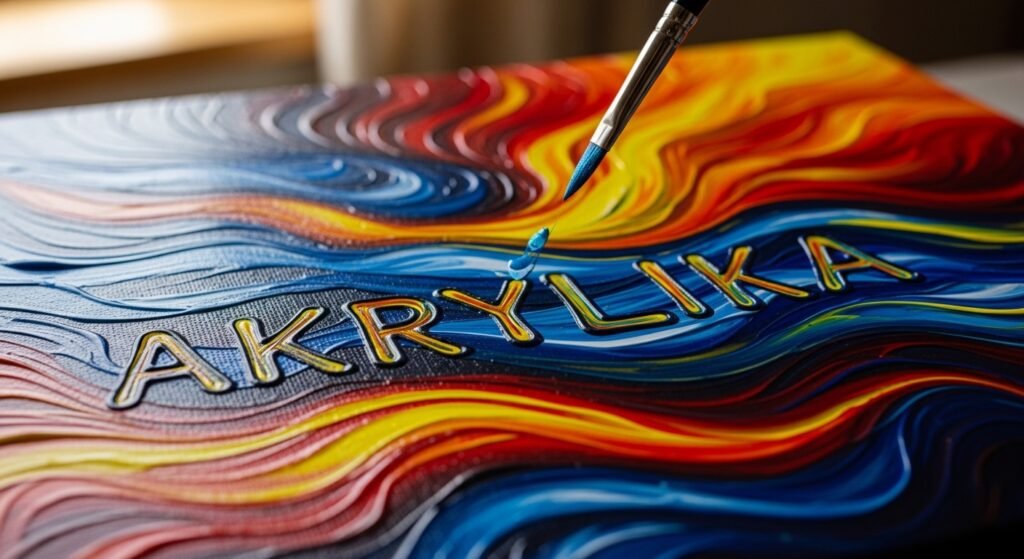
Akrylika has emerged as a transformative force in the contemporary art world, redefining how acrylic painting is created, experienced, and appreciated. Blending innovation with artistic tradition, Akrylika represents a movement, brand, or creative philosophy centered on pushing the boundaries of acrylic art through modern techniques, materials, and technology.
The Rise of Akrylika in Modern Art
Acrylic painting has long been valued for its versatility, fast drying time, and vibrant pigmentation. However, Akrylika elevates these qualities into a new artistic dimension.
Rather than treating acrylics as just another medium, Akrylika positions them as the foundation for experimentation—encouraging artists to merge painting with texture design, digital integration, and mixed media.
This evolution has resonated strongly with:
- Contemporary visual artists
- Interior designers
- Digital creators
- Art collectors seeking modern aesthetics
Akrylika’s rise reflects a broader shift toward bold, expressive, and technology-enhanced art forms.
Signature Techniques That Define Akrylika

What sets Akrylika apart is its distinctive creative methodology. Artists working within the Akrylika approach often employ advanced acrylic techniques that transform flat paintings into multidimensional works.
Layer Fusion Method
This technique involves building numerous translucent acrylic layers to create depth, light refraction, and movement within a piece. Metallics, gels, and glazes are frequently incorporated.
Texture Sculpting
Using heavy-body acrylics, modeling paste, and palette knives, artists sculpt surfaces that blur the line between painting and relief sculpture.
Fluid Dynamics Pouring
Akrylika popularizes controlled acrylic pouring—manipulating viscosity, gravity, and pigments to produce organic, marbled visuals.
Acrylic + Digital Hybridization
Some Akrylika creators digitize their paintings, enhancing them with augmented reality filters or projection mapping for immersive exhibitions.
Materials and Tools Behind the Movement
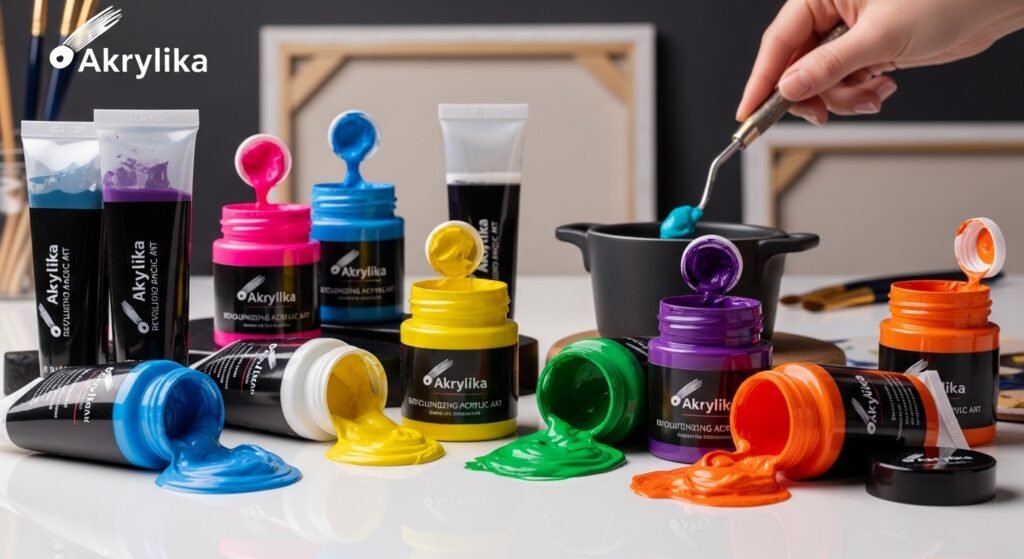
Akrylika’s innovation is also material-driven. Specialized tools and mediums enable artists to expand acrylic’s natural capabilities.
Commonly used elements include:
- Heavy-body and soft-body acrylic paints
- High-flow acrylic inks
- Texture gels and crackle pastes
- Iridescent and interference pigments
- Silicone oils for fluid effects
- Resin topcoats for glass-like finishes
These materials allow artworks to achieve luminous depth and tactile complexity.
Artistic Themes and Visual Identity
Akrylika art is often recognized by its striking visual language.
Recurring themes include:
- Abstract expressionism
- Cosmic and galactic landscapes
- Nature-inspired fluid forms
- Urban texture narratives
- Emotional color fields
The movement favors bold palettes—electric blues, molten golds, neon pinks—contrasted with deep blacks or minimalist neutrals.
Technology Integration in Akrylika
Akrylika is not confined to canvas. Artists increasingly incorporate technology to expand viewer engagement.
Examples include:
- Augmented Reality Layers – Viewers scan paintings to reveal animations
- Projection Mapping – Light transforms static art into moving visuals
- NFT Digitization – Physical acrylic works paired with blockchain certificates
- Interactive Installations – Motion sensors altering light or color perception
This fusion positions Akrylika at the intersection of fine art and digital experience.
Impact on Interior and Commercial Design
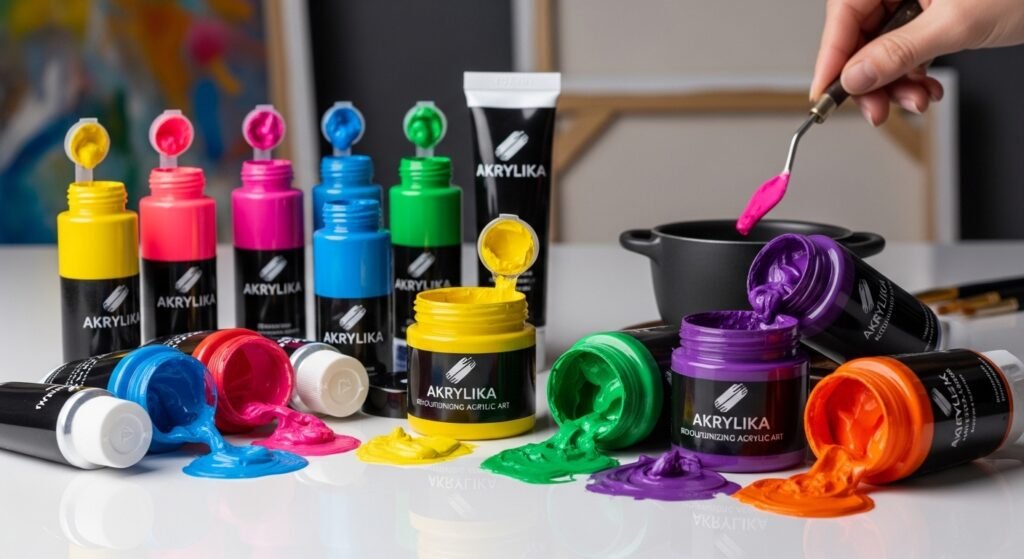
Akrylika’s aesthetic has influenced modern spatial design.
Designers commission acrylic statement pieces for:
- Luxury residences
- Corporate lobbies
- Boutique hotels
- Creative studios
- High-end retail spaces
The glossy finishes, vibrant pigments, and textured surfaces complement contemporary architecture and minimalist interiors.
Sustainability and Eco-Innovation
A growing segment of the Akrylika movement embraces environmental responsibility.
Eco-focused practices include:
- Low-VOC acrylic formulas
- Recycled canvas and substrates
- Bio-resin coatings
- Upcycled mixed-media elements
This aligns the movement with the global push toward sustainable creativity.
Community and Educational Influence
Akrylika is also reshaping art education and community engagement.
Workshops and online academies teach:
- Advanced acrylic pouring science
- Texture layering techniques
- Color chemistry and pigment behavior
- Resin finishing safety
Social media has accelerated the spread of Akrylika methods, with process videos inspiring millions of emerging artists.
Market Value and Collector Appeal
Collectors are drawn to Akrylika works for several reasons:
- One-of-a-kind fluid patterns
- High durability of acrylic polymer
- Contemporary design compatibility
- Investment potential in emerging artists
Large-scale Akrylika installations, in particular, command premium gallery pricing.
The Future of Akrylika
Looking ahead, Akrylika is poised to expand into new frontiers:
- Virtual reality art galleries
- AI-assisted acrylic compositions
- Smart canvases with embedded LEDs
- Architectural acrylic murals
As technology evolves, so too will the possibilities for acrylic expression.
Conclusion
Akrylika represents more than a style—it is a revolution in acrylic art. By merging scientific material exploration, digital innovation, and expressive abstraction, it redefines what acrylic painting can achieve. From immersive exhibitions to luxury interiors, Akrylika continues to shape the future of contemporary visual culture, inspiring artists to push beyond the canvas and into new creative dimensions.