Woolrec: Everything You Should Know Before Getting Started

Introduction
The global shift toward eco-friendly living has sparked a massive transformation across industries, and textiles are no exception. As consumers become more conscious of what they buy, brands are under increasing pressure to create materials that offer both quality and sustainability. That’s where woolrec, a rising innovation in the textile world, has begun to capture attention. This unique approach blends traditional craftsmanship with modern recycling techniques, making it an exciting topic for anyone interested in fashion, sustainability, or manufacturing.
In recent years, search volume around sustainable textile solutions has surged, and woolrec has quickly emerged as a standout keyword. Whether you’re a brand owner, textile manufacturer, eco-conscious shopper, or simply curious about how the textile industry is evolving, understanding woolrec can help you stay ahead of the curve. This guide breaks down everything you need to know—from how it works to the benefits it brings—using clear, simple English that keeps you fully engaged from start to finish.
What Is Woolrec and Why Is It Becoming So Popular?
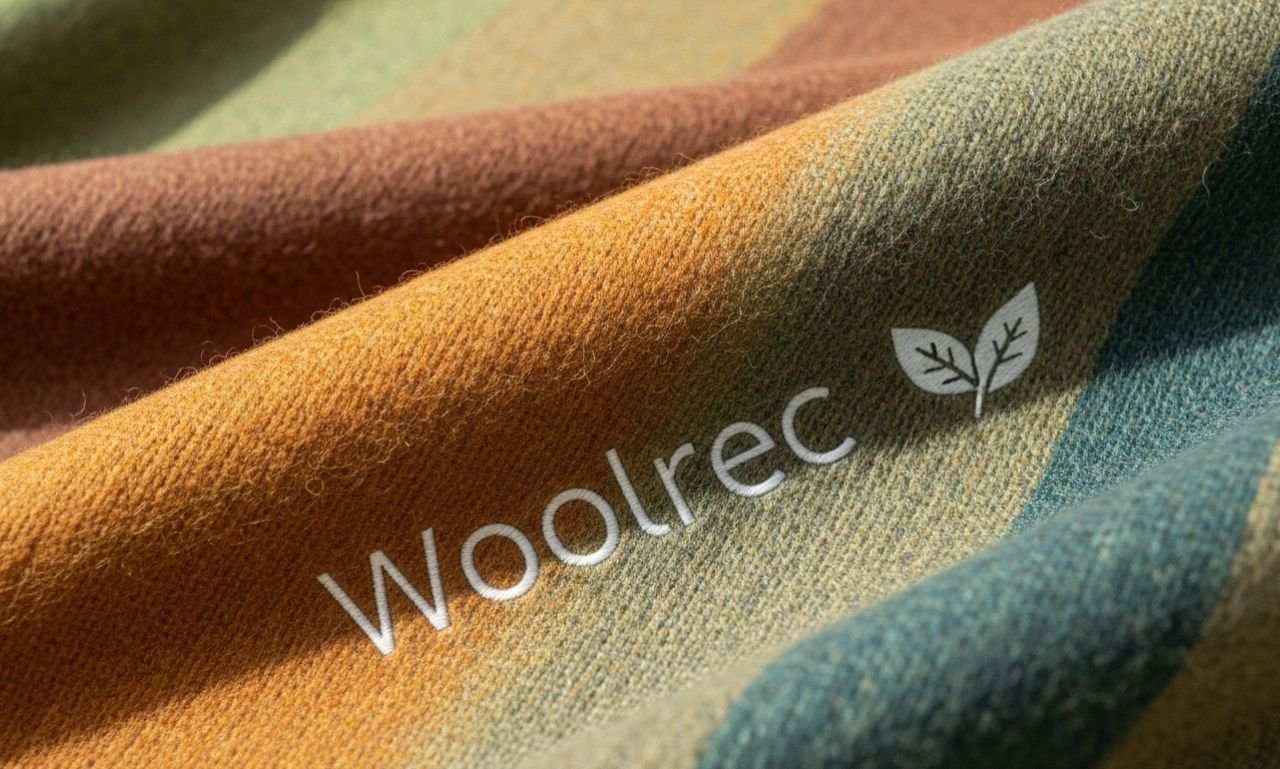
Woolrec refers to a modern process of recovering and repurposing wool fibers from pre-loved garments, textile waste, or post-production scraps. Instead of letting wool items end their life cycle in landfills, this process extracts usable fibers and transforms them into high-quality new materials. While recycled wool is not entirely new, woolrec takes the idea further by improving fiber integrity, color consistency, and durability—qualities that used to be challenging with earlier recycling techniques.
READ MORE : HMS Photovoltaik: The Complete Guide to Safer, Smarter & More Efficient Solar Solutions
The popularity of woolrec is also linked to rising consumer awareness around the environmental impact of fast fashion. People are now seeking fabrics that are not only comfortable and stylish but also gentle on the planet. Woolrec fits perfectly into this trend by offering an eco-conscious alternative that doesn’t compromise on strength or beauty. Brands are adopting it not just for sustainability but also for its cost-effectiveness and positive brand image.
How the Woolrec Process Works
Step 1: Sorting and Cleaning
The process starts with carefully sorting wool garments or scraps by color and fiber quality. This reduces the need for excessive dyeing later on, making the process more eco-friendly. The wool is then washed to remove impurities like dirt, oils, and old finishes.
Step 2: Fiber Recovery
Using advanced machinery, the wool is mechanically shredded into fibers. This step requires precision to maintain fiber strength and ensure the final product is soft, durable, and usable for a wide range of applications. Woolrec technology excels here because it retains a higher level of fiber integrity compared to older recycling methods.
Step 3: Blending and Spinning
Recovered wool fibers may be blended with virgin wool or other natural fibers to achieve the desired texture or durability. Once blended, the fibers are spun into new yarn—ready to be woven or knitted into textiles.
Step 4: Final Production
The yarn created through woolrec can be turned into a variety of products, from cozy sweaters and scarves to upholstery, blankets, and even industrial fabrics. The versatility of this material is one of the reasons brands love working with it.
Benefits of Woolrec
1. Environmentally Friendly
Woolrec reduces textile waste, lowers greenhouse gas emissions, and saves energy compared to manufacturing new wool. By reusing fibers, brands significantly reduce the environmental footprint of their products.
2. Cost-Effective
Because it reduces the need for new raw materials, woolrec helps manufacturers cut production costs. These savings can then be passed on to consumers or reinvested into sustainable innovation.
3. High Quality and Durability
One of the biggest misconceptions about recycled materials is that they are weak or uncomfortable. Woolrec technology proves otherwise. The final material is soft, breathable, and long-lasting—often indistinguishable from virgin wool.
4. Versatile Applications
From fashion to home décor, woolrec can be used in countless ways. Brands can create warm winter clothing, stylish accessories, insulating blankets, and even eco-conscious product packaging using this material.
Why Brands Are Embracing Woolrec
Meeting Consumer Demand
Shoppers today value transparency, sustainability, and quality. Using woolrec allows companies to meet these expectations without drastically altering their production process. It becomes easier for brands to showcase real environmental responsibility, which boosts trust and customer loyalty.
Improving Sustainability Scores
With more companies adopting environmental reporting standards, using materials like woolrec helps improve sustainability metrics. This is especially useful for companies looking to strengthen their marketplace credibility or meet government guidelines on waste reduction.
Competitive Advantage
In the increasingly crowded fashion and textile markets, offering sustainable products helps brands stand out. Early adopters of woolrec are positioning themselves as leaders in the future of eco-friendly design.
Woolrec vs. Traditional Wool: Key Differences
Production Impact
Traditional wool relies on large-scale sheep farming, which consumes land, water, and energy. Woolrec dramatically reduces the use of new resources by reusing existing fibers.
Cost and Efficiency
Woolrec minimizes the costs associated with raising livestock, harvesting wool, and dyeing fabrics. Because it recycles pre-sorted fibers, it eliminates several expensive steps.
Material Performance
While traditional wool is known for strength and insulation, woolrec offers similar performance with an added benefit: a reduced environmental footprint. With advancements in fiber recovery technology, it’s now possible to produce woolrec textiles that rival virgin wool in softness and resilience.
Practical Uses of Woolrec in Everyday Products
Clothing
Woolrec is widely used in jackets, sweaters, scarves, and hats. These garments retain warmth and softness, making them ideal for cold weather while remaining eco-friendly.
Home Textiles
Blankets, carpets, curtains, and upholstery materials made from woolrec offer warmth, durability, and sustainability. These items appeal to homeowners who want environmentally responsible décor.
Industrial Applications
Because of its excellent insulation and fire-resistant properties, woolrec is also used in packaging materials, soundproofing, and automotive interiors. Industries value it for its combination of safety and sustainability.
How Woolrec Fits Into the Future of Sustainable Fashion
As sustainable fashion continues to grow, materials like woolrec are becoming essential. Major fashion houses and new independent brands alike are exploring ways to integrate recycled fibers into their collections. Governments and environmental groups are also encouraging industries to adopt circular economy practices—making woolrec a perfect fit for the future.
Additionally, with consumers increasingly researching where their clothing comes from, brands using woolrec enjoy better online visibility, customer trust, and long-term retention. This shift indicates a broader movement toward greener materials and more transparent practices.
Tips for Consumers Who Want to Choose Woolrec Products
Check Product Labels
Look for tags that mention recycled wool or eco-friendly manufacturing. Some brands also include QR codes that provide detailed sourcing information.
Support Ethical Brands
Choose companies that are transparent about their sustainability efforts. Brands committed to using woolrec often have strong ethical values and environmentally responsible supply chains.
Buy Long-Lasting Items
Products made using woolrec are built to last. Investing in high-quality pieces reduces waste and supports the circular fashion movement.
The Future Potential of Woolrec Technology
The technology behind woolrec is constantly evolving. With improvements in fiber recovery, color sorting, and spinning, future generations of woolrec fabrics may be even softer, stronger, and more versatile than those available today. Researchers are exploring chemical recycling methods as well, which could further improve fiber quality and expand the range of recyclable wool materials.
As global demand for sustainable textiles grows, woolrec is expected to play a central role in transforming how we produce and consume fabrics. In the next few years, you can expect to see woolrec used in more product categories—from luxury fashion to everyday essentials.
Conclusion
Woolrec is more than just a textile innovation—it’s a significant step toward a greener, more responsible future. By repurposing existing wool fibers, this technology reduces waste, cuts emissions, and offers high-quality materials that consumers and manufacturers can feel good about. Its growing popularity reflects a positive shift in the textile industry toward circular production and sustainable design.
As the world continues to prioritize eco-friendly solutions, woolrec will likely become even more prominent across fashion, home décor, and industrial applications. Whether you’re a business owner looking to adopt better materials or a customer searching for sustainable options, understanding woolrec puts you at the forefront of a movement shaping the future of textiles.