Connect with us

Uncategorized

How Much Energy Can an Air Source Heat Pump Save?

Published

on

Heating your home uses a lot of energy. In the UK, heating makes up most household bills. Many people want cheaper and greener ways to heat homes. An air source heat pump grant is one option. But how much energy can it save? Let us look at this in simple terms.

What is an air source heat pump?

An air source heat pump, or ASHP, takes heat from the air outside. It works a bit like a fridge in reverse. Instead of keeping food cold, it warms your home. It can also provide hot water for taps and showers. It runs on electricity but delivers more heat energy than it uses. This makes it efficient.

Why efficiency matters

A standard boiler burns gas to make heat. It gives out less heat than the energy in the gas. An air source heat pump is different. For every unit of electricity, it gives three or more units of heat. This ratio is called the coefficient of performance. The higher the number, the more efficient it is. This means you use less energy overall.

How much energy can you save?

The answer depends on many things. It depends on your home, the size of the system, and how you use heating. A well-insulated house will save more energy than a draughty one. If you set your thermostat lower, you save even more. In general, an air source heat pump can cut heating energy by half or more. Some homes save 60 per cent compared to old electric heaters.

Compared with gas boilers

Gas is cheaper than electricity per unit in the UK. This makes some people worry about running costs. But the higher efficiency of a heat pump balances things out. A boiler gives out less heat for the energy it burns. A heat pump can give out three times as much. So even with higher electricity prices, savings are still possible.

Factors that affect savings

Your home plays a big role in the savings. If your house is not insulated, the pump must work harder. This lowers efficiency and raises bills. Radiators also matter. Older radiators may not spread the heat well at lower water temperatures. Modern radiators or underfloor heating help a lot. Using smart controls can also cut wasted heat.

Seasonal changes

Air source heat pumps work in all seasons. In winter, the outside air is colder. The pump must work harder to collect heat. The efficiency drops, but the system still produces heat. In spring and autumn, efficiency rises again. Across a year, savings balance out. A good system design takes all seasons into account.

Example savings in the UK

Take a typical three-bed semi-detached home. It may use 15,000 kilowatt hours of gas each year for heating. With a heat pump, that could fall to 5,000 kilowatt hours of electricity. 

Even with higher electricity prices, the energy use is lower. That means lower carbon emissions, too. Some homes may save £200 a year. Some may save £400 or more. The exact figure depends on usage and tariffs.

Carbon savings

Energy use is not only about money. Many people care about the climate. An air source heat pump produces fewer carbon emissions than a gas boiler. 

The UK electricity grid is getting greener each year. More wind and solar power means less fossil fuel use. So, as the grid improves, heat pumps save even more carbon. Over ten years, one system can cut many tonnes of carbon.

Government support

The UK government wants more homes to use heat pumps, which is why Air Source Heat Pump Grants are available to help with costs. 

The Boiler Upgrade Scheme gives up to £7,500 towards the price. This makes it easier for families to switch. With this support, the payback time is shorter. It also means you start saving energy sooner.

Long-term savings

A heat pump can last 15 to 20 years with good care. During that time, the energy savings add up. Even if bills are not always lower, you still save carbon. You also protect yourself from gas price rises in the future. As the UK moves away from gas, electricity will be the stable choice.

Things to check before installing

Before getting a heat pump, check your home. Look at insulation, windows, and draughts. Upgrading these makes the pump work better. Check your radiators too. A heat loss survey can tell you what changes are needed. This ensures the pump is sized right. A well-designed system will save the most energy.

Everyday use tips

How you use the system affects savings, too. Set a steady temperature instead of switching on and off. Let the pump run at lower power for longer. Do not block radiators or vents. Use smart timers to heat rooms when needed. Small changes in use can increase savings.

Final thoughts

An air source heat pump is not magic. It will not save the same amount in every home. But it is far more efficient than gas or electric heating. With the right set-up, you can cut bills and carbon. Government heat pump grants make it easier to start. Over time, the savings are clear. If you want to lower energy use, an air source heat pump is worth a look.

Continue Reading
Click to comment

Leave a Reply

Your email address will not be published. Required fields are marked *

Uncategorized

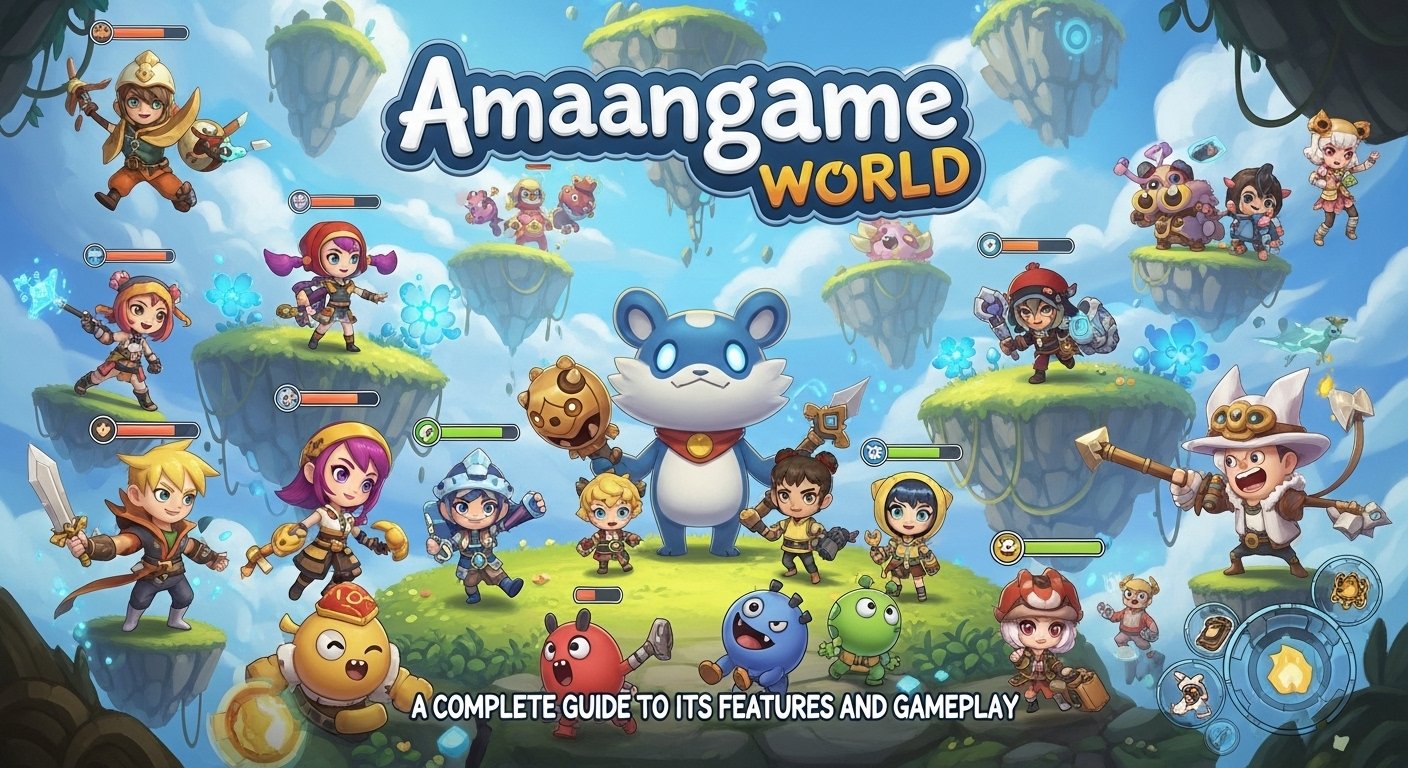
Amaangameworld: A Complete Guide to Its Features and Gameplay

Published

on

By

Amaangameworld

Introduction

In this guide, I walk you through amaangameworld from top to bottom—what it is, why players love it, and how to get the most out of its core features and gameplay loops. My goal is to give you practical, easy-to-digest insights so you can jump in confidently and enjoy a smooth start, whether you’re a newcomer or a returning player.

What Is amaangameworld?

Amaangameworld is a feature-rich gaming ecosystem designed for flexible play across devices. It blends accessible onboarding with depth for long-term engagement. At its heart are progression systems, social play, and a creator-friendly toolkit that lets you customize your experience without sacrificing performance.

Key Pillars

  • Accessibility: Quick setup, responsive controls, and clear UI.
  • Depth: Layered progression, varied roles, and advanced builds.
  • Social: Co-op and competitive modes that reward coordination.
  • Creativity: Tools for modding, mapping, and seasonal events.

Getting Started

Starting strong sets the tone for your entire journey. Here’s how I recommend you begin.

Account & Setup

  • Create your profile, pick a starter archetype, and enable two-factor security.
  • Optimize settings: lock in a stable frame rate, tune controls and sensitivity, calibrate audio cues.
  • Link your platform accounts to sync progress and cloud saves.

First-Hour Priorities

  • Complete the tutorial to unlock core mechanics and beginner rewards.
  • Join a starter guild or friends list to access matchmaking bonuses.
  • Claim daily tasks and milestone quests for early resources.

Core Features

Amaangameworld stands out because of its systems working together seamlessly. These are the features I consider essential.

Progression & Roles

  • Roles: Tank, Support, Scout, and Specialist form the core lineup. Each role has unique skills and synergies.
  • Skill Trees: Mix active abilities with passive nodes to craft your playstyle.
  • Gear Tiers: Common to Mythic items shape your power curve and unlock build diversity.

World & Modes

  • Open Zones: Explore hub cities, resource regions, and instanced challenge areas.
  • PvE Adventures: Story chapters, raids, and dynamic events scale with party size.
  • PvP Arenas: Ranked ladders, casual skirmishes, and seasonal tournaments.

Economy & Crafting

  • Resources: Gather, trade, or win materials across biomes.
  • Crafting: Blueprints plus rare drops unlock high-impact items.
  • Market: Player-driven trading with price history and buy orders.

Social & Communication

  • Voice and text chat with smart pings for quick tactics.
  • Guild halls with shared banks, research trees, and event calendars.
  • Cross-play squads that keep friends together regardless of device.

Gameplay Tips and Strategies

This is where I share the advice I wish I had on day one.

Role Mastery

  • Tank: Lead pulls, manage aggro with taunts, and rotate mitigation cooldowns.
  • Support: Track ally health, cleanse debuffs, and time burst buffs for boss phases.
  • Scout: Scout ahead, mark hazards, and burst down priority targets.
  • Specialist: Control zones, set traps, and enable combo chains with crowd control.

Combat Fundamentals

  • Positioning: Keep sightlines, avoid stacking, and kite heavy hitters.
  • Rotations: Practice a tight ability sequence to maintain uptime.
  • Resources: Don’t overspend—use generators and cooldowns intelligently.

Team Coordination

  • Assign roles for interrupts, stuns, and objectives before fights.
  • Use short callouts or pings; confirm with “ready” checks.

Crafting & Economy

  • Start with utility crafts (potions, tools) for consistent value.
  • Flip mid-tier materials on market day when supply spikes.
  • Bank rare blueprints; craft only when demand outpaces supply.

Exploring the World

The game world is built for discovery. I like to alternate between efficient farming routes and slower, curiosity-driven exploration.

Points of Interest

  • Hub Cities: Vendors, guild services, and public contracts.
  • Biomes: Forests, tundra, deserts, and ruins with unique resource nodes.
  • Instanced Zones: High-reward dungeons with rotating modifiers.

Events & Seasons

  • Weekly Rotations: Boss affixes and loot tables shift on a schedule.
  • Seasonal Themes: Limited-time modes, cosmetics, and balance updates.
  • Leaderboards: Track your progress and chase personal records.

Build Crafting

Half the fun is making a build that feels uniquely yours.

How to Build Efficiently

  • Pick a role goal (solo clear, raid utility, PvP burst) before spending points.
  • Anchor your build around 1–2 signature abilities and augment them with passives.
  • Test in the training grounds; adjust based on time-to-kill and survivability.

Sample Build Paths

  • Tank: High-stamina gear + damage reflection + taunt reset passives.
  • Support: Cooldown reduction + area heals + burst-boost ultimate.
  • Scout: Crit chance + movement speed + execute talent.
  • Specialist: Trap synergy + slow fields + chain stun combo.

Monetization and Fair Play

Transparency matters. Amaangameworld emphasizes a fair, skill-first progression model.

What to Expect

  • Cosmetic-First Store: Skins and emotes with no pay-to-win stats.
  • Battle Pass: Free and premium tracks with challenges and cosmetics.
  • Earnable Currency: Daily and seasonal activities reward in-game currency.

Player Protections

  • Anti-cheat with real-time detection and appeals.
  • Clear reporting tools and community guidelines.

Troubleshooting & Performance

When things feel off, I run through a quick checklist.

Quick Fixes

  • Lower shadows and post-processing for a big FPS boost.
  • Switch to borderless windowed for stability on older rigs.
  • Verify files and update drivers after patches.

Network Stability

  • Prefer wired or 5 GHz Wi‑Fi; enable in-game netgraph.
  • Set a reasonable max ping for matchmaking.

Frequently Asked Questions

Is amaangameworld beginner-friendly?

Yes. The tutorial and early quests ease you into roles, combat, and crafting without overwhelming you.

Can I play solo?

Absolutely. Most content scales, and solo builds can clear story arcs and bounties efficiently.

Is there cross-play?

Yes, cross-play and cross-save are supported among major platforms.

Final Thoughts

Amaangameworld shines when you approach it with curiosity and purpose. Follow the starter path, lean on a focused build, and play with others when you can. As systems open up, you’ll find the rhythm that makes the game click. I’ll keep exploring and refining strategies—see you in the next event.

Continue Reading

Uncategorized

Runlia: Powering Speed and Innovation in the Digital World

Published

on

By

Runlia

Introduction

In today’s hyperconnected era, speed and innovation define success in the digital landscape. Businesses, developers, and tech-driven organizations constantly seek platforms and solutions that enhance performance, streamline workflows, and enable scalable growth. Runlia has emerged as a name increasingly associated with digital acceleration, technological innovation, and next-generation performance solutions.

This article explores Runlia—its meaning, core capabilities, technological framework, benefits, applications, and future potential in the evolving digital ecosystem.


What Is Runlia?

Runlia refers to a modern digital technology framework or platform concept centered on optimizing speed, automation, and innovation across online systems. While interpretations may vary depending on industry context, Runlia is commonly linked with:

  • High-performance computing environments
  • Digital workflow acceleration
  • Cloud-based optimization tools
  • AI-driven process automation
  • Scalable infrastructure solutions

At its core, Runlia symbolizes a digital philosophy: run faster, operate smarter, and innovate continuously.


The Vision Behind Runlia

Runlia’s foundational vision aligns with three pillars:

  1. Speed – Reducing latency, load times, and processing delays
  2. Efficiency – Automating repetitive digital operations
  3. Innovation – Enabling rapid experimentation and deployment

In competitive digital markets, milliseconds matter. Runlia’s approach focuses on delivering measurable performance gains while supporting agile transformation.


Core Technologies Powering Runlia

1. Cloud Computing Infrastructure

Runlia leverages distributed cloud environments to ensure:

  • Elastic scalability
  • Global server distribution
  • High uptime reliability
  • Real-time processing power

Cloud-native architecture allows businesses to scale operations without physical infrastructure limitations.


2. Artificial Intelligence and Automation

AI integration enables Runlia to automate complex tasks such as:

  • Data analysis
  • Predictive performance monitoring
  • Customer behavior insights
  • Intelligent workflow routing

Automation reduces human error while accelerating execution speed.


3. Edge Computing

By processing data closer to end users, edge computing:

  • Minimizes latency
  • Enhances real-time responsiveness
  • Supports IoT ecosystems
  • Improves streaming and gaming performance

Runlia’s edge capabilities are particularly valuable for industries requiring instant processing.


4. API-Driven Architecture

Runlia supports seamless system integration through APIs, enabling:

  • Third-party software connectivity
  • Microservices deployment
  • Modular system design
  • Faster product development cycles

5. Advanced Data Analytics

Data fuels innovation. Runlia’s analytics engines help organizations:

  • Track performance metrics
  • Identify bottlenecks
  • Forecast demand
  • Optimize digital strategies

Key Features of Runlia

Ultra-Fast Processing

Runlia environments are engineered for high-speed execution, reducing lag across applications and platforms.

Scalable Framework

From startups to enterprise ecosystems, Runlia adapts dynamically to traffic and workload demands.

Security Optimization

Security layers include:

  • End-to-end encryption
  • Threat detection systems
  • Compliance-ready infrastructure

Developer-Friendly Tools

Runlia often provides SDKs, dashboards, and automation scripts to streamline development workflows.

Real-Time Monitoring

Live performance tracking allows rapid troubleshooting and system optimization.


Applications of Runlia in the Digital World

1. E-Commerce Platforms

Speed directly impacts conversions. Runlia enhances:

  • Page load times
  • Payment processing
  • Inventory syncing
  • Customer experience

2. FinTech Systems

Financial platforms require:

  • Low-latency transactions
  • Fraud detection automation
  • Secure data processing

Runlia’s infrastructure supports real-time financial operations.


3. Streaming and Gaming

High-speed delivery ensures:

  • Buffer-free video streaming
  • Cloud gaming responsiveness
  • Multiplayer synchronization

4. SaaS and Enterprise Software

Runlia optimizes:

  • CRM systems
  • ERP platforms
  • Collaboration tools
  • Remote work environments

5. AI and Big Data Operations

Massive datasets require fast processing pipelines, making Runlia ideal for:

  • Machine learning training
  • Predictive analytics
  • Business intelligence systems

Benefits of Using Runlia

1. Performance Acceleration

Organizations experience faster processing, loading, and deployment cycles.

2. Cost Efficiency

Cloud scalability reduces infrastructure and maintenance costs.

3. Innovation Enablement

Developers can prototype, test, and deploy solutions faster.

4. Competitive Advantage

Speed and reliability enhance customer satisfaction and retention.

5. Global Accessibility

Distributed networks ensure consistent performance worldwide.


Runlia vs Traditional Digital Infrastructure

FeatureRunliaTraditional Systems
SpeedUltra-fastModerate
ScalabilityDynamicLimited
AutomationAI-drivenManual-heavy
DeploymentRapidSlow
Cost ModelUsage-basedCapital-intensive

Security and Compliance Considerations

Digital acceleration must balance speed with safety. Runlia environments often include:

  • Multi-factor authentication
  • Zero-trust architecture
  • Data redundancy backups
  • Regulatory compliance (GDPR-style frameworks)

Security integration ensures innovation does not compromise data protection.


Challenges and Limitations

Despite advantages, Runlia adoption may involve challenges:

Implementation Complexity

Migrating legacy systems requires technical planning.

Skill Requirements

Teams must understand cloud, AI, and automation frameworks.

Cost at Scale

While efficient long-term, initial deployment can be resource-intensive.

Vendor Dependence

Cloud-based ecosystems may create platform reliance.


Future of Runlia in Digital Transformation

Runlia’s trajectory aligns with major tech trends shaping the next decade.

1. Hyperautomation

Combining AI, robotics, and analytics to automate entire business ecosystems.

2. Quantum Computing Integration

Future high-speed computation may exponentially enhance Runlia processing power.

3. 5G and Beyond

Ultra-fast connectivity will amplify Runlia’s real-time capabilities.

4. Metaverse Infrastructure

Immersive digital environments require massive, low-latency processing—an ideal Runlia use case.

5. Sustainable Computing

Energy-efficient cloud optimization will become a priority.


Real-World Impact Scenarios

Startup Acceleration

Runlia enables startups to launch scalable products without heavy infrastructure investment.

Enterprise Modernization

Legacy corporations use Runlia frameworks to digitize operations.

Smart Cities

IoT sensors, traffic systems, and utilities rely on real-time processing environments.


FAQ: Runlia

1. What is Runlia used for?

Runlia is used to enhance digital speed, automate workflows, and optimize scalable cloud-based operations.


2. Is Runlia a software or platform?

It can function as a platform framework, infrastructure solution, or integrated digital performance ecosystem.


3. Who can benefit from Runlia?

Businesses, developers, fintech firms, SaaS providers, and data-driven enterprises.


4. Does Runlia improve website speed?

Yes, its cloud and edge optimization significantly enhance load times and performance.


5. Is Runlia secure?

Modern implementations include encryption, monitoring, and compliance safeguards.


Conclusion

Runlia represents more than a technological solution—it embodies the evolution of digital performance itself. By combining cloud scalability, AI automation, edge computing, and real-time analytics, Runlia empowers organizations to operate faster, innovate smarter, and compete globally.

Continue Reading

Uncategorized

Monika Leveski: The Innovative Artist

Published

on

By

Monika Leveski

Monika Leveski is widely recognized as a contemporary artist and creative innovator whose work bridges the gap between traditional artistry and modern technology. Her multidisciplinary approach—spanning visual art, digital installations, design, and immersive experiences—has positioned her as a forward-thinking voice in today’s evolving art landscape.


Artistic Vision and Style

Leveski’s art is defined by experimentation and boundary-pushing creativity. Rather than limiting herself to conventional mediums, she explores mixed media, digital tools, sound, and interactive elements to create layered visual narratives.

Her works often:

  • Combine traditional painting with digital augmentation
  • Use recycled or unconventional materials
  • Incorporate texture, textiles, and found objects
  • Engage multiple senses, not just sight

This fusion transforms her pieces into immersive experiences, encouraging viewers to interact with art rather than passively observe it.


Innovation Through Technology

A hallmark of Monika Leveski’s innovation is her integration of technology into artistic expression.

Examples of her tech-driven creativity include:

  • Augmented reality installations that reveal hidden digital layers
  • AI-assisted visual storytelling exploring identity and perception
  • Interactive exhibits responding to audience movement or emotion

One notable concept project, “Digital Echoes,” uses AR to expand physical artwork into dynamic virtual environments, redefining how audiences experience exhibitions.


Themes and Cultural Impact

Leveski’s work goes beyond aesthetics. She uses art as a platform to explore:

  • Identity and human connection
  • Environmental responsibility
  • Cultural diversity
  • Social change and modern life narratives

By blending storytelling with visual experimentation, she invites dialogue about society, belonging, and the human experience.


Design and Experiential Projects

In addition to gallery art, Leveski has influenced modern design through projects that merge functionality with artistic storytelling.

Her design philosophy emphasizes:

  • Sustainable materials and eco-friendly practices
  • Bold color and texture use
  • Spaces that evoke emotional engagement

Projects such as environmentally conscious architectural concepts and immersive public installations highlight her commitment to innovation with purpose.


Exhibitions and Collaborations

Leveski’s collaborative spirit has expanded her reach across the global art community.

Highlights include:

  • International exhibitions and art fairs
  • Mixed-media gallery showcases
  • Cross-disciplinary installations with performers and designers

Her exhibition series “Reflections of Reality” sparked critical conversations about perception and identity through experimental media.


Digital Influence and Community Engagement

Leveski has also embraced the digital era as part of her artistic identity.

Through social platforms she:

  • Shares live creative sessions
  • Hosts interactive discussions
  • Builds communities around modern art

This direct engagement humanizes the creative process and inspires emerging artists worldwide.


Leadership, Advocacy, and Mentorship

Beyond her artwork, Monika Leveski is recognized for leadership in creative innovation.

She contributes through:

  • Mentorship programs
  • Workshops and speaking engagements
  • Advocacy for diversity and mental well-being in creative industries

Her leadership style centers on empathy, collaboration, and empowering others to innovate confidently.


Legacy and Future Direction

Leveski continues to explore emerging mediums, including:

  • Virtual exhibitions
  • Augmented reality experiences
  • Interdisciplinary global collaborations

Her future-focused vision ensures her influence will remain significant as art and technology grow increasingly interconnected.


Conclusion

Monika Leveski stands as a symbol of innovation in contemporary art—an artist who refuses to be confined by tradition. By merging technology, sustainability, storytelling, and immersive design, she reshapes how art is created and experienced. Her work not only captivates audiences visually but also challenges them intellectually and emotionally, securing her place among today’s most forward-thinking creative pioneers.

Continue Reading

Trending

Copyright © 2025 Noodelag, Whatsapp +92332 0709761