Connect with us

Blogs

Chopenawer: Origins, Meaning, and Modern Influence

Published

on

Chopenawer

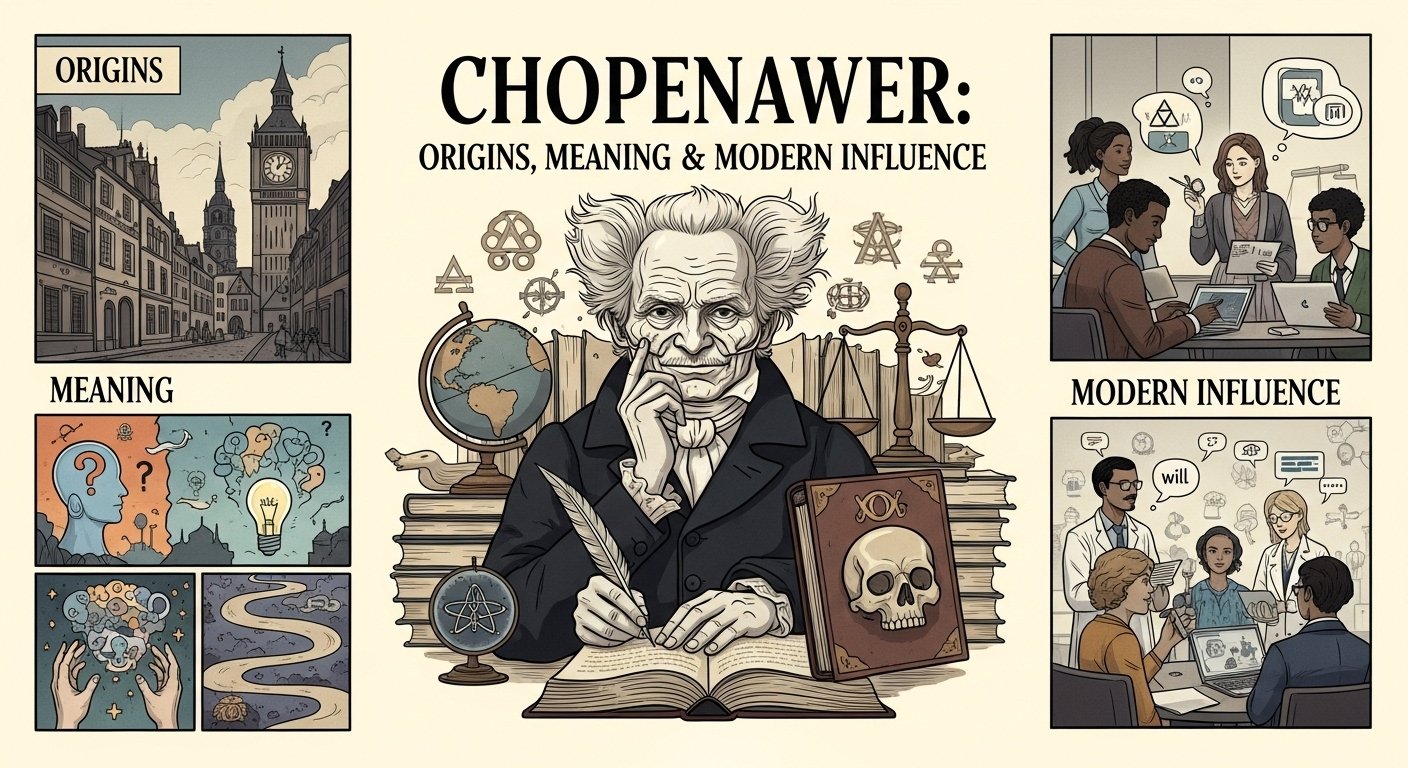
The word chopenawer has recently gained attention in various corners of the internet. It’s a term that sparks curiosity, debate, and even artistic inspiration. While the exact origin of chopenawer remains somewhat unclear, the growing interest around it shows that it has become more than just a word — it has evolved into a concept, a symbol, and for some, even a philosophy.

In this article, we will explore the idea of chopenawer from different perspectives — its possible origins, cultural significance, and how it resonates with the modern mindset. Whether you’ve come across this term online or are hearing it for the first time, by the end of this article, you’ll understand why chopenawer is worth paying attention to.

What Is Chopenawer?

The term chopenawer doesn’t fit into any traditional dictionary, and that’s part of its charm. It’s a modern expression that represents something unique, intriguing, and thought-provoking. Depending on the context, chopenawer may symbolize deep thought, creative rebellion, or even philosophical independence.

People have started using chopenawer as a name for artistic projects, digital brands, or conceptual ideas that don’t conform to ordinary rules. This gives it a mysterious yet powerful identity. It’s the kind of term that invites interpretation — everyone who encounters it might see it in a slightly different way.

The Possible Origins of Chopenawer

When exploring the background of chopenawer, one can find multiple theories. Some believe it may be inspired by a blend of different linguistic roots, possibly referencing names or philosophical ideas. Others suggest it’s an entirely new creation born out of the internet era — a word designed to sound intellectual, modern, and distinctive.

In today’s world, where creativity and originality are highly valued, it’s not surprising that new terms like chopenawer emerge from digital subcultures. Many online creators, musicians, and thinkers coin unique words to represent their identity or style. Chopenawer might be one such term — a modern invention that carries emotional and intellectual depth.

Chopenawer as a Symbol of Creativity

One of the most fascinating aspects of chopenawer is its connection to creativity. It represents the courage to think differently, to challenge conventional norms, and to express ideas freely. People who identify with the chopenawer mindset often value originality, imagination, and independent thought.

In art, music, and writing, chopenawer can be seen as a guiding principle — the belief that true creativity comes from within, not from imitation. Artists who embody the chopenawer spirit may create unconventional works that question norms and redefine beauty. The essence of chopenawer, therefore, lies in breaking boundaries while staying authentic to one’s inner vision.

The Philosophical Side of Chopenawer

Beyond creativity, chopenawer can also represent a deeper philosophical perspective. It might be interpreted as a way of seeing the world — one that blends thought, emotion, and self-awareness. To live with a chopenawer mindset means to reflect deeply on existence, question reality, and seek truth beyond appearances.

In this sense, chopenawer isn’t just a word; it’s an approach to life. It reminds us to pause, think critically, and explore meaning in a world full of distractions. This philosophical side of chopenawer connects it to timeless human quests for wisdom, self-expression, and purpose.

Chopenawer in Modern Digital Culture
In the digital age, chopenawer has started appearing in online discussions, social media handles, and even brand identities. Many people are drawn to the mysterious and stylish sound of the word, which gives it a modern appeal. It’s flexible enough to fit into artistic communities, fashion, music, or even tech-related spaces.

For content creators and influencers, chopenawer represents a form of digital individuality. It’s not just about standing out visually, but about standing for something intellectually and emotionally distinct. In a sea of repetitive trends, a term like chopenawer symbolizes authenticity — the courage to be different and to express ideas without fear of judgment.

Why Chopenawer Captures Attention

So why does chopenawer attract so much interest? The answer lies in its mystery. People are naturally drawn to things they can’t immediately define. Chopenawer triggers curiosity because it sits at the edge of understanding — it feels familiar yet unknown.

Another reason for its appeal is that it can be adapted to many meanings. Whether used in art, philosophy, branding, or digital expression, it holds space for multiple interpretations. This flexibility makes it both timeless and relevant, especially in an era when language evolves faster than ever before.

The Emotional Power of Chopenawer

Every word carries emotional weight, and chopenawer is no exception. For some, it evokes feelings of depth, introspection, and creativity. For others, it feels like a symbol of independence or rebellion. Its rhythm and tone are smooth yet strong, giving it an emotional quality that resonates beyond language barriers.
In a poetic sense, chopenawer could be seen as the voice of the modern thinker — someone who wants to understand the world, create something new, and leave a mark. It captures the balance between intellect and emotion, making it an inspiring concept for people from different walks of life.

Chopenawer as a Brand or Identity

In the modern marketplace, unique names carry great value. A brand built around the word chopenawer could easily stand out for its originality and sophistication. It’s memorable, flexible, and mysterious — three qualities that successful branding often relies on.

A business, art collective, or creative agency named “Chopenawer” could symbolize innovation, depth, and authenticity. The name suggests a sense of artistry and intellect that would appeal to audiences looking for something beyond the ordinary. Because chopenawer has no rigid definition, it gives brands the freedom to shape their own identity around it.

The Future of Chopenawer

As language and culture continue to evolve, words like chopenawer may become more prominent. The internet allows ideas to spread globally, and unique expressions like this one often find life in unexpected ways. We might see chopenawer develop into a full concept — perhaps even a movement — that represents creativity, intelligence, and freedom of thought.

Its future depends on how people continue to use and interpret it. As more artists, writers, and thinkers adopt the term, its meaning will grow richer and more layered. One thing is certain: chopenawer is not just a fleeting trend; it’s a reflection of our collective desire to define new forms of meaning in a fast-changing world.

Conclusion

The word chopenawer may still be a mystery, but that’s exactly what makes it special. It carries a sense of curiosity, originality, and depth that resonates in today’s creative and intellectual landscapes. Whether seen as a concept, a philosophy, or a brand identity, chopenawer represents the timeless pursuit of individuality and understanding.


Continue Reading
Click to comment

Leave a Reply

Your email address will not be published. Required fields are marked *

Blogs

How to Choose the Best Senior Living Community for Your Needs

Published

on

By

Senior

Selecting the right senior living community is one of those life-changing decisions that deserves careful thought and attention. With so many options out there, each boasting different amenities, care approaches, and community vibes, it’s easy to feel overwhelmed by the choices. The good news? Once you understand what really matters and how to properly evaluate each community, you’ll be well-equipped to find a place that genuinely feels like home while meeting all the necessary care requirements.

Understanding Different Types of Senior Living Options

Before you start touring communities, it’s worth taking a moment to understand the different levels of care available. Independent living facilities work perfectly for active seniors who can handle most daily tasks themselves but appreciate the convenience of maintenance-free living and built-in social opportunities. Assisted living communities step things up a notch, providing personal care services like medication management, bathing assistance, and meal preparation for those who need a helping hand with daily routines. Memory care units create specialized, secure environments specifically designed for individuals navigating Alzheimer’s disease or other forms of dementia, with staff specially trained in memory care techniques.

Evaluating Location and Accessibility Considerations

Where a senior living community is located matters more than you might initially think, it directly impacts both quality of life and how often family can visit. Think about proximity to the family members and friends who’ll be stopping by regularly, since convenient access naturally leads to more frequent visits and stronger emotional connections. Take a look at what’s nearby too: are there quality medical facilities, shopping centers, parks, and cultural attractions that can enhance daily life? Don’t overlook the transportation services the community provides, including scheduled trips to medical appointments, grocery stores, and social outings around town. Climate preferences deserve consideration as well, especially for seniors whose health conditions might be affected by extreme temperatures or high humidity.

Assessing Care Services and Healthcare Support

What really separates exceptional communities from the rest is the quality and comprehensiveness of their healthcare services. Look closely at the personal care services they provide, this includes assistance with bathing and dressing, how they manage medications, and the level of grooming support available. It’s crucial to understand how they handle medical emergencies: Is nursing staff available on-site around the clock? What kind of emergency response systems do individual units have? How quickly will they contact family members if something happens? Physical, occupational, and speech therapy services should either be available right there on-site or through solid partnerships with qualified providers. Pay attention to how the community coordinates with external healthcare providers too, including primary care doctors, specialists, and nearby hospitals.

Examining Amenities, Activities, and Social Opportunities

The social environment and daily activities available at a community have an enormous impact on resident happiness and overall well-being. During your tours, really examine the common areas, dining rooms, activity spaces, libraries, fitness centers, and outdoor areas, to see if they’re well-maintained and inviting. Ask for a copy of their monthly activity calendar so you can evaluate whether they offer enough variety and if the events actually align with your loved one’s interests and energy levels. When evaluating communities in the Louisville area, professionals who need to assess lifestyle fit and care coordination often explore options like SummerHouse Beau Ridge that provide comprehensive amenity packages. 

Reviewing Costs, Contracts, and Financial Considerations

Financial clarity is absolutely essential when choosing a senior living community, nobody wants surprises when it comes to costs. Request detailed breakdowns of base monthly fees and make sure you understand exactly what’s included versus what costs extra. Ask pointed questions about their fee increase policies: How often do they raise rates, and what’s been the average percentage increase over the past few years? Take your time reviewing refund policies, move, in requirements, and deposit structures, making sure you’re clear on what happens financially if circumstances change and a move becomes necessary. Find out whether they accept long-term care insurance, veterans benefits, or other financial assistance programs that might help offset expenses.

Conducting Thorough Visits and Resident Interviews

There’s simply no substitute for seeing a community in action with your own eyes. Schedule visits at different times throughout the day, including mealtimes and during scheduled activities, so you can observe the daily rhythms and how staff members interact with residents in various situations. Strike up conversations with current residents about their experiences: Are they satisfied with the staff? How’s the food? Is there anything they wish were different? Notice whether staff members seem genuinely engaged and caring when they interact with residents, or if the relationships feel transactional and distant. Pay close attention to cleanliness standards throughout the facility, common areas, hallways, and any resident rooms you get to tour should all be well-maintained.

Conclusion

Choosing the best senior living community isn’t something to rush through, it requires thoughtful research, honest assessment of both current and future needs, and trust in what you observe and feel during your visits. By systematically evaluating care services, location advantages, social opportunities, financial arrangements, and the overall atmosphere of each community, you’ll be positioned to make a confident decision that enhances quality of life and brings peace of mind to everyone involved. 

Continue Reading

Blogs

Whatsontech: Easy Tech Guides, Tips, and Updates

Published

on

By

Whatsontech

Introduction

Staying on top of fast-moving technology doesn’t have to be intimidating. With whatsontech as our guiding keyword, I’m laying out a clear, friendly, and practical roadmap to help you understand new gadgets, master everyday apps, and make smarter digital choices. Think of this as your companion for easy tech guides, hands-on tips, and timely updates—structured so you can jump right to what you need and get back to your day.

Understanding the Heart of whatsontech

The phrase “whatsontech” blends curiosity with clarity. It suggests one place where you can find what’s happening in technology—plus the know-how to use it. Here’s what I focus on whenever I write or curate under this theme:

  • Plain-language guides: No jargon gauntlets. I translate complex ideas into everyday terms.
  • Actionable checklists: Steps you can follow today, not someday.
  • Timely updates: Filters for the noise so only the useful trends break through.
  • Practical reviews: Real-world impressions over lab-only specs.

Who This Is For

  • Beginners who want tech to feel less mysterious
  • Busy people who need quick wins and trustworthy recommendations
  • Tinkerers who enjoy step-by-step tutorials and optimization tips

Core Guides: Do More With Your Devices

Getting Started: Setups That Save Time

A great experience starts with a good setup. Whether it’s a phone, laptop, or smart home device, I always begin with a groundwork checklist:

  1. Update the operating system and firmware to the latest stable version.
  2. Turn on essential security: device lock, two-factor authentication, and “Find my device.”
  3. Uninstall or disable bloatware; keep only what you use.
  4. Customize notification settings to reduce interruptions.
  5. Back up to a reliable cloud or external drive.

These five moves instantly improve performance, safety, and peace of mind.

Everyday Speed Boosts

If your device feels sluggish, I reach for these quick fixes:

  • Clear browser cache and unused extensions
  • Trim startup apps
  • Free up storage; aim for at least 15–20% free space
  • Update drivers and apps
  • Toggle on battery or performance modes depending on your goals

Privacy Essentials

Your data deserves respect. Here are habits I treat as non-negotiable:

  • Use a password manager and unique, strong passwords
  • Enable multi-factor authentication wherever possible
  • Review app permissions quarterly
  • Encrypt sensitive files and drives
  • Be selective with public Wi‑Fi; stick to VPNs for sensitive tasks

App Mastery: Smarter Workflows, Less Friction

Communication and Collaboration

  • Consolidate messaging where possible to reduce context switching
  • Star or pin important chats and channels
  • Create templates or snippets for repeated replies
  • Use scheduled send to avoid after-hours noise

Notes and Documents

  • Keep one “source of truth” for notes
  • Use tags and a minimal folder structure
  • Templates for recurring documents save loads of time
  • Sync across devices so your brain travels with you

Automation Basics

Small automations create big relief:

  • Email rules to auto-sort newsletters and receipts
  • Calendar blockers to preserve focus time
  • Shortcuts for routine tasks (renaming files, resizing images)
  • Triggers linking apps together—when X happens, do Y

Security and Safety: Built-In Shields You Should Use

Account Hygiene

  • Run a monthly security checkup on major accounts
  • Rotate recovery codes and confirm backup email/phone numbers
  • Audit connected apps and revoke what you don’t use

Device Protections

  • Enable disk encryption (BitLocker, FileVault, device-level encryption on mobile)
  • Keep Bluetooth and location off by default; toggle on only when needed
  • Use reputable security suites, especially on Windows and Android

Phishing Awareness

Train yourself to pause before clicking:

  • Inspect sender addresses and URLs
  • Be skeptical of urgency and attachments you didn’t expect
  • Verify requests for money or credentials through a second channel

Buying Guides: Choose Tech That Fits Your Life

How to Evaluate Devices

When comparing gadgets, I weigh these factors:

  • Purpose: What problem does this solve for you?
  • Longevity: Update commitment and repairability
  • Performance-to-price: Real-world speed, not just benchmarks
  • Ecosystem fit: Does it play nicely with your current gear?
  • Support: Warranty, service centers, and community help

Smart Budgeting

  • Set a ceiling and list non-negotiables
  • Buy last year’s flagship for excellent value
  • Consider refurbished with a solid warranty
  • Avoid spec-chasing; map features to actual needs

Trends and Updates: Noise-Free Briefings

What Matters in Emerging Tech

I sift trends through a simple lens: Is this useful now, building toward practical value, or purely experimental? That helps separate hype from what deserves your attention.

  • AI in everyday apps: editing, summarizing, and assistive features
  • On-device intelligence: better privacy and speed for common tasks
  • Battery advancements: longer life, faster charging, safer chemistries
  • Connectivity upgrades: Wi‑Fi 7, 5G improvements, and smarter routers

Staying Informed Without Overload

  • Subscribe to one or two focused newsletters
  • Set alerts for key topics instead of doomscrolling
  • Batch your reading—twice a week beats constant checking
  • Follow creators who test in the real world

Handy How‑Tos: Quick Wins You Can Use Today

Speed Up Your Browser

  • Disable heavy extensions and auto-play videos
  • Turn on hardware acceleration if supported
  • Use a lightweight content blocker for ad-heavy sites

Organize Your Photos

  • Create yearly and monthly albums automatically
  • Deduplicate with trusted tools
  • Add tags for people, places, and events
  • Back up originals to two locations (one offsite)

Clean Your Inbox

  • Unsubscribe ruthlessly from stale newsletters

n- Use search operators to archive by sender or date

  • Star anything requiring action and schedule replies

Accessibility and Inclusivity: Tech for Everyone

Make Devices Easier to Use

  • Turn on larger text and high-contrast modes
  • Use voice control or dictation for hands-free input
  • Enable live captions for calls and videos

Share Inclusively

  • Write descriptive alt text for images
  • Use clear headings and readable fonts
  • Avoid color-only cues; pair with symbols or labels

Maintenance and Longevity: Keep Gear Going

Routine Care

  • Dust vents and clean ports every few months
  • Replace thermal paste and batteries when performance dips
  • Use protective cases and surge protectors

Sustainable Choices

  • Repair before replacing when possible
  • Recycle through certified e‑waste programs
  • Donate usable gear to schools and nonprofits

Final Thoughts: Your whatsontech Companion

Tech should make life smoother, not noisier. With a practical approach to guides, tips, and updates, whatsontech becomes your reliable helper—clear when you need instructions, calm when trends get loud, and steady when you’re choosing what to buy. I’ll keep refining this playbook so you can spend less time troubleshooting and more time using technology to do what you love.

Continue Reading

Blogs

Miuzo: Streamline Digital Interactions with This Productivity Ecosystem

Published

on

By

Miuzo

Introduction

In a world where context switches eat hours and scattered tools siphon our attention, miuzo offers a calm, connected way to work. I treat miuzo as a productivity ecosystem rather than a single app: it brings notes, tasks, knowledge, and communication into a coherent flow, so I spend less time juggling tabs and more time finishing meaningful work.

What Is miuzo?

miuzo is a unified workspace designed to streamline digital interactions—capturing information, organizing projects, collaborating with teammates, and automating routine steps. Think of it as a flexible canvas that can morph into your daily planner, a knowledge base, a lightweight CRM, or a team hub. Under the hood, it centers on three pillars:

  • Capture: Quick, frictionless intake of notes, links, files, and voice snippets.
  • Structure: Smart organization using tags, relations, and boards to turn raw inputs into usable knowledge.
  • Flow: Actionable views—timelines, calendars, and Kanban—so work moves forward instead of sitting in lists.

Key Benefits

  • Fewer context switches: I can draft, decide, and deliver in one place.
  • Shared understanding: Teams build the same source of truth rather than parallel documents.
  • Personalized workflows: Templates adapt to marketing, engineering, product, operations, or solo creators.
  • Automation that sticks: Repetitive steps—assigning tasks, routing notes, nudging follow-ups—happen automatically in the background.

Core Features

Unified Inbox and Quick Capture

I funnel everything into a single inbox—ideas, screenshots, meeting notes, and email snippets. With fast capture from desktop or mobile, I never lose a thought. From there, I triage: tag, link to projects, or schedule with one keystroke.

Relational Notes and Linked Knowledge

miuzo’s notes behave like living objects. I can link a meeting note to its related task, a decision log, and a product spec. Bidirectional links reveal context across projects, while lightweight databases track attributes like priority, status, or owner.

Tasks, Projects, and Goals

Tasks support subtasks, due dates, and dependencies. Projects offer roadmaps with milestones and burndown-style progress. I like to ladder these to quarterly goals, so my daily work rolls up to outcomes that matter.

Views that Fit the Work

  • Kanban: For pipeline clarity across stages.
  • Calendar: For coordinating deadlines and time-blocking.
  • Table: For high-density portfolio oversight.
  • Timeline: For planning sprints and releases.

Switching views never breaks the data model—just the lens I’m using.

Collaboration and Communication

Comments, mentions, and shared spaces let my team align quickly. Threaded discussions live beside the work itself, reducing the need to hunt through chat logs. Permissions are granular, so stakeholders can see what they need and nothing more.

Automation and Integrations

miuzo connects to email, calendars, storage, and chat. Triggers can turn an email into a task, route a note to a team board, or ping me when a dependency slips. I build automations with simple rules—no scripting required—and iterate as my workflows evolve.

Search and Retrieval

Global, fast search retrieves pages, attachments, and comments. Filters refine results by tag, owner, or date. I rely on saved searches as working views, so I can jump straight into “Q1 launch tasks: blocked” without rebuilding filters.

How miuzo Streamlines Digital Interactions

From Intake to Action

The unified inbox captures inputs in seconds; triage classifies them; automations route them; and views translate them into next steps. Instead of bouncing between apps, I follow a single flow: capture → clarify → commit.

Reduce Information Silos

By linking notes, tasks, and files, miuzo dissolves walls between knowledge and execution. Decisions stay attached to deliverables, so context is always a click away.

Maintain Momentum

Time-blocked tasks appear on my calendar, while dependencies surface warnings before deadlines slip. Nudges keep me honest, and recurring reviews ensure nothing goes stale.

Practical Use Cases

Solo Creators

  • Content calendar with ideation, drafts, and publication workflow.
  • Client projects with proposals, deliverables, and invoices tracked in one place.
  • Personal knowledge base with spaced reviews for long-term retention.

Product Teams

  • Backlog management across Kanban and timeline views.
  • Sprint planning with story points, dependencies, and demos documented.
  • Decision logs linked to specs and retrospectives.

Operations and Sales

  • Lightweight CRM: leads move from prospect to customer with tasks, emails, and notes attached.
  • SOPs as living documents that trigger checklists and audits.
  • Vendor management with contracts, renewals, and performance dashboards.

Getting Started: A Simple Setup

1. Design Your Home

Create a home dashboard with:

  • Today’s priorities and calendar blocks.
  • Unified inbox and quick capture widget.
  • Shortcuts to your top projects and saved searches.

2. Define Your Data

Pick a small set of fields: status, priority, owner, due date, and tags. Keep it minimal; add more only when friction appears.

3. Build Two to Three Views

  • Tasks by Kanban for flow.
  • Calendar for time alignment.
  • Timeline for medium-term planning.

4. Create a Weekly Review

Schedule a Friday review to archive, reprioritize, and reset. Add a checklist: clear inbox, review projects, plan the next week.

Advanced Tips

Use Templates

Create templates for meeting notes, briefs, and retrospectives. Pre-filled fields and checklists speed up consistency.

Automate First-Mile Work

Turn inputs into structured data automatically: tag by source, assign default owners, and set due dates based on project SLAs.

Balance Personal and Team Spaces

Keep a private sandbox for rough notes; publish polished docs to team spaces. Use permissions to protect sensitive items.

Security and Governance

Role-based access and audit logs maintain control. Data retention rules and export options keep your information portable. For compliance-heavy teams, workspace policies standardize naming, fields, and templates.

Measuring Impact

I track three metrics after adopting miuzo:

  • Time to triage new inputs.
  • Percentage of tasks linked to goals.
  • Reduction in tools used per workflow.

When these move in the right direction, I know the system is working.

Common Pitfalls (and Fixes)

  • Over-modeling: If setup feels heavy, strip fields and views until the system feels fast again.
  • Under-reviewing: Without a weekly review, backlog friction creeps in; add a recurring ritual.
  • Notification overload: Tune alerts to blockers, deadlines, and mentions only.

The Future of miuzo

I expect deeper AI assistance: automatic summaries, suggested tags, and proactive risk alerts. As integrations expand, miuzo will likely become the connective tissue that ties together email, meetings, documents, and tasks without manual glue.

Conclusion

miuzo helps me reclaim focus by unifying the messy edges of digital work. With a calm inbox, linked knowledge, and flexible views, I can move from idea to impact without losing context. Start simple, iterate weekly, and let miuzo become the backbone of your personal or team productivity.

Continue Reading

Trending

Copyright © 2025 Noodelag, Whatsapp +92332 0709761