
Celebrity
Cy Kass: Meaning, Contexts, and Why It Matters Today

Published
8 months agoon
By
Admin
Introduction
Cy Kass is a name that sparks curiosity the moment you hear it. It feels modern, compact, and flexible, yet it doesn’t lock itself into a single definition. In recent years, cy kass has appeared in different conversations, creative spaces, and digital contexts, often leaving people wondering what it actually represents. Is it a person, a brand identity, a conceptual label, or something still evolving? This article explores cy kass in depth, unpacking its possible meanings, real-world uses, and growing relevance. By the end, you’ll understand where cy kass fits, why it resonates with modern audiences, and how its adaptability gives it long-term significance.
To set the stage clearly, cy kass isn’t limited to one industry or purpose. Instead, it functions more like a flexible identity marker—one that can represent an individual, a creative persona, a digital handle, or even a brand-ready name. That versatility is exactly why it matters today.
Overview of Cy Kass
Before diving deeper, it helps to understand the general context in which cy kass is used. Rather than forcing a single definition, recognizing its range gives a clearer picture.
| Aspect | Details |
|---|---|
| Common Usage | Name, alias, digital identity, or brand-ready term |
| Tone | Modern, concise, adaptable |
| Typical Environments | Creative work, online platforms, personal branding |
| Cultural Appeal | Minimalist, memorable, flexible |
| Status | Emerging and context-dependent |
This overview highlights why cy kass attracts attention. It works across different spaces without feeling out of place, which is increasingly valuable in a connected world.
The Origins and Linguistic Appeal of Cy Kass
Names like cy kass stand out because of how they sound and feel. Short names carry power. They’re easier to remember, easier to say, and easier to associate with meaning over time. Linguistically, cy kass benefits from balance. The first part feels sharp and futuristic, while the second part grounds it with a familiar rhythm.
What’s interesting is that cy kass doesn’t rely on cultural specificity. It doesn’t tie itself to a single language, region, or tradition. That neutrality makes it adaptable, allowing different audiences to project their own interpretations onto it. In many ways, cy kass behaves like a blank canvas, ready to be defined by use rather than history.
This lack of rigid origin isn’t a weakness. It’s a strength. In modern naming culture, flexibility often beats tradition.
Cy Kass as a Personal or Creative Identity
One of the most common interpretations of cy kass is as a personal identity. Many people today adopt concise names or aliases to represent themselves online or creatively. Cy kass fits naturally into this pattern.
As a personal identity, cy kass feels intentional. It suggests clarity, confidence, and self-awareness. People drawn to names like this often want to separate their creative or public-facing persona from their private life. Cy kass offers that separation while remaining approachable and human.
In creative fields, names matter more than ever. Whether someone is writing, designing, producing music, or sharing ideas, a name becomes part of the work. Cy kass carries a sense of individuality without being loud. It’s subtle, but it sticks.
The Role of Cy Kass in Digital Culture
Digital spaces reward names that are simple and distinctive. Cy kass meets both criteria. In a crowded environment where attention is limited, names that are easy to recall gain an edge.
What makes cy kass especially effective in digital culture is its neutrality. It doesn’t push a specific message or emotion upfront. Instead, it adapts to the tone of the content it represents. A thoughtful essay, a bold visual project, or a technical discussion can all comfortably exist under the cy kass name.
This adaptability mirrors how digital identities function today. People are no longer just one thing. They’re creators, learners, professionals, and storytellers all at once. Cy kass fits neatly into that multi-dimensional reality.
Cy Kass as a Brand-Ready Concept
Beyond personal use, cy kass also works remarkably well as a brand concept. Modern brands often look for names that are short, memorable, and open-ended. Cy kass checks all three boxes.
As a brand, cy kass doesn’t limit itself to a single product or service. It can grow and evolve. Today it might represent a creative studio. Tomorrow it could expand into education, technology, or media. This scalability is crucial in an era where brands need room to pivot.
Another advantage is emotional neutrality. Cy kass doesn’t carry heavy preconceived associations. That allows a brand built around it to shape its own narrative from the ground up, rather than fighting against existing expectations.
Real-World Scenarios Where Cy Kass Fits Naturally
To understand the practical value of cy kass, it helps to imagine real-world scenarios. Picture an independent creator launching a portfolio under the name cy kass. The name feels professional without being corporate. It invites curiosity without demanding attention.
Now imagine a collaborative project using cy kass as its umbrella identity. The name doesn’t overshadow contributors. Instead, it becomes a shared space where ideas take center stage. This balance is hard to achieve, and cy kass manages it effortlessly.
Even in informal settings, cy kass feels comfortable. It doesn’t sound forced or overly stylized. That natural quality is why it transitions smoothly across contexts.
Comparison: Cy Kass Versus Traditional Naming Approaches
Names shape perception. Comparing cy kass with more traditional naming styles reveals why it stands out.
| Feature | Cy Kass | Traditional Full Names |
|---|---|---|
| Length | Short and concise | Often long |
| Flexibility | High | Limited |
| Cultural Neutrality | Strong | Variable |
| Memorability | High | Depends on familiarity |
| Adaptability | Excellent | Moderate |
This comparison shows how cy kass aligns with modern preferences. It’s built for adaptability rather than formality, which suits today’s fluid environments.
The Emotional Resonance of Cy Kass
Names aren’t just labels. They carry emotional weight. Cy kass evokes a sense of calm confidence. It doesn’t try too hard, and that restraint makes it appealing.
For many, cy kass feels like a name that belongs to someone who knows their direction but remains open to change. That emotional resonance is subtle but powerful. It creates trust without needing explanation.
This quality also makes cy kass easy to grow into. As projects, careers, or identities evolve, the name doesn’t feel outdated. Instead, it matures alongside the person or concept it represents.
Cultural Relevance and Future Potential of Cy Kass
Looking ahead, cy kass seems well-positioned for long-term relevance. Cultural trends increasingly favor simplicity, authenticity, and adaptability. Names that can move across platforms and roles without friction will continue to thrive.
Cy kass also benefits from being rare enough to feel unique but familiar enough to feel accessible. That balance is difficult to achieve, yet it’s one of the reasons the name resonates.
As more people seek identities that reflect both individuality and flexibility, cy kass stands as a strong example of how a name can do more than identify—it can support growth.
Cy Kass in a Broader Context
It’s important to see cy kass not as a fixed definition but as a living concept. Its meaning depends on who uses it and how. That openness invites creativity rather than restriction.
In a world that values self-expression and adaptability, cy kass offers a framework rather than a boundary. It’s a reminder that names don’t have to define us completely. They can evolve as we do.
This broader context explains why cy kass continues to generate interest. It represents possibility, not limitation.
Conclusion
Cy Kass is more than just a name. It’s a versatile identity marker that fits seamlessly into modern life. From personal branding to creative expression and brand development, cy kass offers clarity, adaptability, and emotional balance. Its strength lies in its openness, allowing meaning to grow through use rather than tradition.
Understanding cy kass means recognizing the power of simplicity in a complex world. Whether adopted as a personal alias, a creative identity, or a conceptual brand, it provides a foundation that supports evolution. The key takeaway is clear: cy kass works because it leaves room for growth, and that makes it deeply relevant today and tomorrow.
Frequently Asked Questions (FAQs)
What does cy kass mean?
Cy kass doesn’t have a fixed definition. Its meaning depends on context, often serving as a name, alias, or adaptable identity.
Is cy kass a person or a brand?
Cy kass can represent either. It’s commonly used as a personal identity, creative persona, or brand-ready concept.
Why is cy kass considered modern?
Its short structure, neutral tone, and adaptability align with contemporary naming preferences and digital culture.
Can cy kass evolve over time?
Yes. One of its strengths is flexibility, allowing it to grow alongside the person or concept it represents.
Is cy kass suitable for professional use?
Absolutely. Cy kass feels polished and approachable, making it suitable for both creative and professional environments.
Celebrity
Who Is Amanda Kate Lambert? Nancy Sinatra’s Daughter
Published
1 month agoon
July 25, 2026By
Admin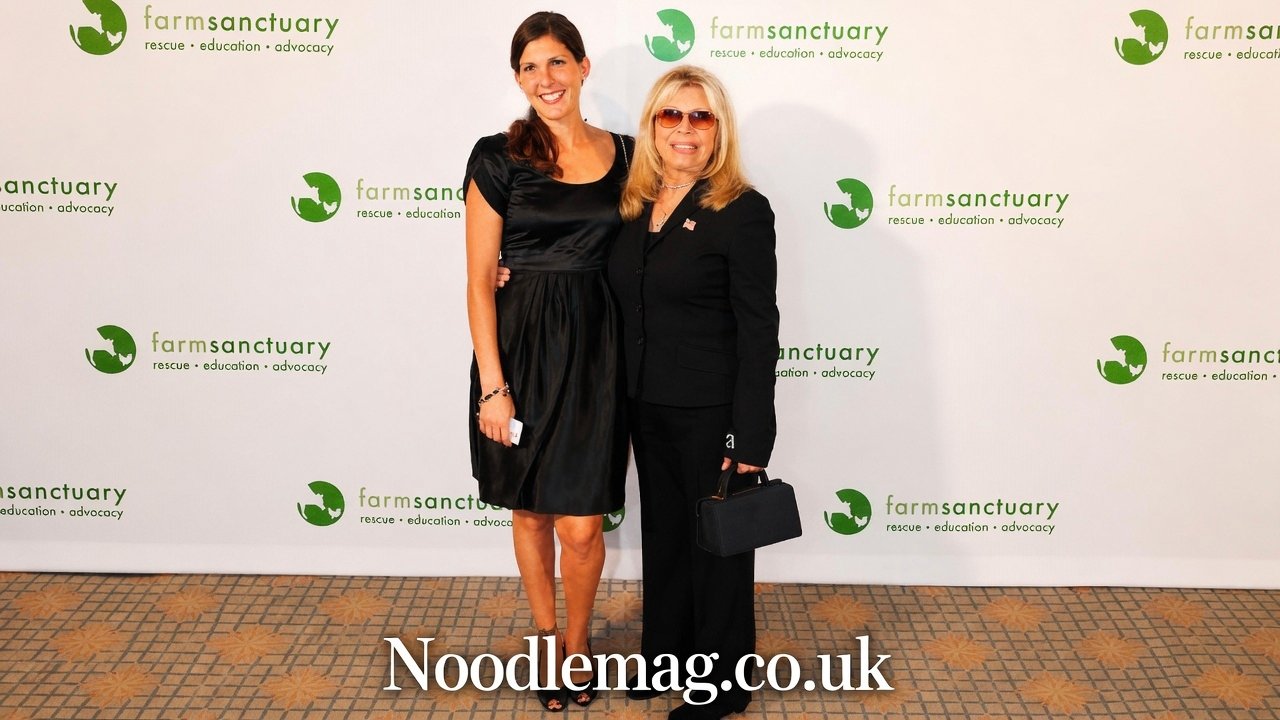
Amanda Kate Lambert has spent most of her life away from cameras, even though she was born into one of America’s most famous entertainment families. As the daughter of singer Nancy Sinatra and granddaughter of Frank Sinatra, she chose art and photography over the stage, quietly preserving her family’s legacy instead of chasing its spotlight.
Early Life and Family Background
Amanda Katherine Lambert was born on March 17, 1976, in Beverly Hills, California. She is the younger of two daughters born to Nancy Sinatra and her first husband, Hugh Lambert, a choreographer, dancer, and television producer who worked on “The Ed Sullivan Show.” Her older sister, AJ Lambert, was born about a year earlier, and though Amanda is the younger sibling, AJ has said Amanda always carried herself as the more responsible, mature one of the pair.
Amanda grew up in Los Angeles and attended Beverly Hills High School. She was raised primarily by her mother after her father, Hugh Lambert, died of cancer on August 18, 1985, when Amanda was just nine years old. Nancy Sinatra has said he was the love of her life and never remarried, choosing instead to step back from her recording career for a time to focus on raising her two daughters.
Family closeness shaped much of Amanda’s childhood. She and AJ spent a significant part of their early years at their grandfather Frank Sinatra’s Palm Springs compound, particularly during holidays. AJ has recalled that the family spent at least 30 percent of their time there. Nancy Sinatra once wrote about a Christmas gathering in 1979 when four-year-old AJ and not-quite-three-year-old Amanda listened to rough tapes of the “Trilogy” album alongside their grandfather, whom they called “Pop-Pop,” describing it as an evening the family never forgot.
READ MORE: Who Is Charles Donald Fegert? Barbara Eden’s Ex-Husband
A Grandfather’s Artistic Influence
Long before she picked up a camera professionally, Amanda described herself as a shy, behind-the-scenes child who found her creative outlet in visual art during elementary school. It was her grandfather, Frank Sinatra, who nurtured that interest. He had painted as a hobby since his twenties and kept an art studio at his Palm Springs home, where he taught Amanda painting techniques and showed her how to handle different materials. He also introduced her to photography, teaching her how to use a camera while the two sat poolside.
Amanda went on to study fine arts in college, concentrating on painting and photography along with art history. She has said that even her more modest creative works carry a piece of who she is. One of her most visible contributions was the grey-tone artwork she created for her mother’s self-titled 2004 comeback album, which was produced by her sister AJ. In September 2022, Nancy Sinatra tweeted that the record remains one she is most proud of.
Amanda’s social media presence has largely disappeared over the years; her accounts are either private or no longer active, and her personal website is no longer running. Much of what the public knows about her creative output comes from the archival work she has done for her family rather than a personal online portfolio.
Frank Sinatra’s Death and the Family Inheritance
Frank Sinatra died at age 82 on May 14, 1998. Reports at the time indicated his grandchildren each received roughly $1 million from his estate. AJ Lambert has spoken publicly about saving her share for her own child and has supported herself primarily through her music career, but there is no public information about how Amanda has used her portion of the inheritance, and she has never discussed it in interviews.
Curating the Book “Sinatra”
Amanda’s most publicly documented achievement came through her role as an archivist. Since around 2002, she served as the manager and archivist of Frank Sinatra’s personal photographic collection, a position that placed her at the center of the family’s efforts to mark what would have been his 100th birthday in 2015.
Working alongside co-editor Robin Morgan, Amanda curated a 400-page coffee-table book titled “Sinatra,” released on August 10, 2015, through ACC Editions in association with Iconic Image and Frank Sinatra Enterprises. The book was limited to just 1,000 numbered copies, each retailing for $1,500 and signed by Nancy Sinatra and her siblings, Tina Sinatra and Frank Sinatra Jr.
Her grandmother, Nancy Barbato Sinatra, Frank’s first wife who remained close to him even after their 1951 divorce, gave Amanda access to a personal photo archive that included images the rest of the family had never seen, among them a young Frank Sinatra swimming in the ocean off New Jersey. The book also included personal recollections from family friends such as Debbie Reynolds, George Clooney, and Quincy Jones. Amanda has said the project stood out because it portrayed her grandfather simply as a father, grandfather, husband, and friend.
Amanda promoted the book at several public events in 2015, a rare stretch of visibility for someone who otherwise avoids the press. She appeared at the book’s launch at Saks Fifth Avenue in New York City on July 23, 2015, alongside her mother. She and her sister also attended “Architects of Sound: Frank Sinatra” at Club Nokia in Los Angeles on October 21, 2015, and the Sinatra 100 Flag-Raising ceremony at the Capitol Records Building in Los Angeles on December 11, 2015. Years earlier, on November 21, 2011, she had joined extended family members at the Capitol Records tree-lighting ceremony in Hollywood.
Marriage and Family Life
Amanda met her husband, Michael Erlinger, when she was 19 years old. She has described him as her best friend and “the love of my life,” saying she feels fortunate to have met him so early and that he has remained a steady presence in her life ever since. The couple has a daughter named Annabelle, though Amanda has shared very few public details about her daughter or their family life.
Professionally and personally, Amanda tends to use the surname Erlinger following her marriage, appearing in various public records and event listings as Amanda Erlinger or Amanda Kate Lambert Erlinger.
Life Today
Amanda has lived her entire life in Los Angeles, California, where she is believed to still reside. She has said she enjoys spending time at the beach, swimming and surfing when she is not working. Outside of the press attention surrounding the “Sinatra” book, she has largely stayed out of the public eye, letting her mother, Nancy Sinatra, and sister, AJ Lambert, take on more visible public roles connected to the family’s legacy.
When asked to describe herself in interviews, Amanda has said she thinks of herself as an artist and a person with a good soul, someone who continues striving to be her best while still making room for fun. That description captures much of what is publicly known about her: a private woman who found her own creative identity while helping safeguard one of American entertainment’s most iconic family histories.
Conclusion
Amanda Kate Lambert’s story is less about fame inherited and more about a legacy carefully protected. Born on March 17, 1976, and shaped by the loss of her father in 1985 and the guidance of her grandfather Frank Sinatra, she built a quiet creative life centered on painting, photography, and archival work. Her defining public contribution, the 2015 book “Sinatra,” reflects years of trust placed in her by her family to tell Frank Sinatra’s story through rare, personal images. Beyond that project, Amanda has remained largely private, focused on her marriage to Michael Erlinger, their daughter Annabelle, and a low-key life in Los Angeles.
Frequently Asked Questions
Who is Amanda Kate Lambert?
She is an American artist and photographer, the younger daughter of singer Nancy Sinatra and granddaughter of Frank Sinatra.
When was Amanda Kate Lambert born?
She was born on March 17, 1976, in Beverly Hills, California.
Who are Amanda’s parents?
Her mother is singer Nancy Sinatra, and her father was choreographer and dancer Hugh Lambert, who died on August 18, 1985.
What is Amanda Kate Lambert best known for?
She is best known for curating the 2015 limited-edition photo book “Sinatra” with co-editor Robin Morgan, honoring Frank Sinatra’s 100th birthday.
Is Amanda Kate Lambert married?
Yes, she is married to Michael Erlinger, whom she met at age 19, and the couple has a daughter named Annabelle.
Celebrity
Who Is Charles Donald Fegert? Barbara Eden’s Ex-Husband
Published
1 month agoon
July 25, 2026By
Admin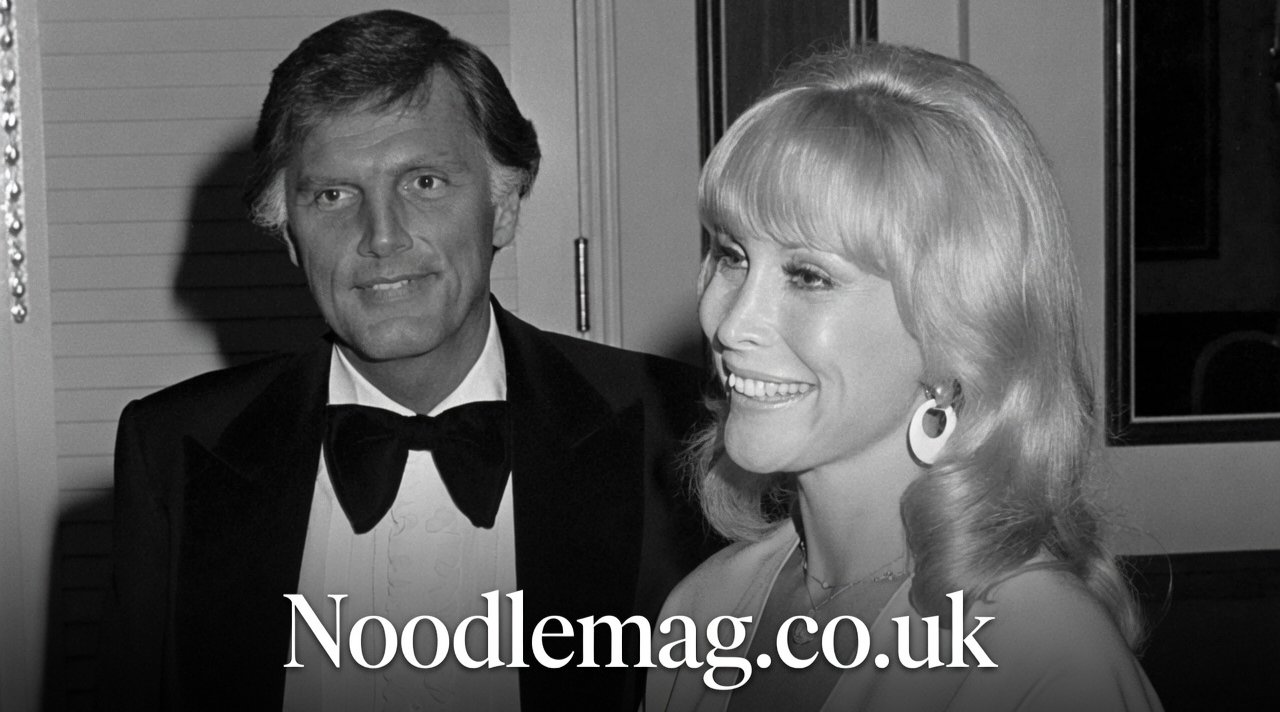
Charles Donald Fegert was an American advertising executive from Chicago who spent decades shaping newspaper marketing strategy. He is remembered today largely because he was once married to actress Barbara Eden, star of I Dream of Jeannie, though his own career achievements stood on their own well before their union.
Early Life and Background
Charles Donald Fegert was born on November 8, 1930, in Chicago, Illinois. He grew up in a city with one of the largest newspaper markets in the country, and his early exposure to that industry appears to have shaped his career path. Detailed information about his parents, siblings, or childhood has never been widely published, since Fegert kept his personal history largely private throughout his life. What is consistently reported is that he was raised in Chicago and remained closely tied to the city for the rest of his life, both professionally and personally.
READ MORE: Who Is Lisa Thorner? Damon Wayans’ Former Wife and Life Story
Career in Newspaper Advertising
Fegert built his professional reputation in Chicago’s competitive newspaper advertising industry at a time when print media dominated American communication and commerce. He worked his way up through the advertising side of the business, eventually reaching senior leadership. He is widely reported to have served as Vice President of Advertising and Marketing at the Chicago Sun-Times and the Chicago Daily News, two of the city’s most prominent newspapers. In that role, he was responsible for maintaining advertiser relationships, guiding sales strategy, and helping the papers generate the revenue that supported daily publication.
Colleagues reportedly knew him by the nickname “Chuck.” Those who worked with him described him as sociable, energetic, and effective at building business relationships, qualities that helped him rise within a highly competitive field. His success in advertising placed him in contact with prominent figures from Chicago’s business community well before his personal life drew wider public attention.
Meeting Barbara Eden
Charles Donald Fegert met Barbara Eden in 1974, during a period when she had already achieved international fame for her starring role in I Dream of Jeannie, the television series that aired from 1965 to 1970. At the time they met, Eden had already been through a prior marriage to actor Michael Ansara, with whom she shared a son, Matthew Ansara.
Fegert and Eden dated for several years despite the distance between his life in Chicago and her career based largely in Los Angeles. Reports describe him as attentive and old-fashioned in his courtship, reportedly sending Eden flowers regularly during their relationship. Their romance eventually led to marriage.
Marriage to Barbara Eden
Charles Donald Fegert and Barbara Eden were married on September 3, 1977. The wedding drew considerable media attention because Eden was one of television’s most recognizable stars, while Fegert was a respected but far less publicly known Chicago businessman. Following the wedding, Eden relocated much of her life to Chicago to be closer to her husband, splitting time between the city and her ongoing entertainment career in Los Angeles.
The couple lived together in Chicago, and their marriage was, in its early years, described by those close to them as a happy one. Eden later said publicly that Fegert was intelligent, charming, and highly skilled in his profession. Over time, however, the relationship became strained. In her memoir, Jeannie Out of the Bottle, Eden wrote that Fegert’s behavior changed after their wedding, describing him as talented but insecure, and stating that personal issues, including alcohol-related struggles, put growing pressure on their marriage. These are Eden’s own published recollections rather than court findings, and they represent her account of what led to the couple’s separation.
Charles Donald Fegert and Barbara Eden divorced in 1982, ending a marriage that had lasted approximately five years. The couple did not have children together.
Family Life Before Barbara Eden
Before marrying Eden, Fegert had already been married and had built a family of his own. Reports consistently indicate that he had three children from his earlier marriage or marriages, generally described as two sons and one daughter. He is remembered by those close to him as a devoted father who prioritized his relationships with his children even as his career advanced. Specific details about his children’s names, careers, and current lives have not been made public, in keeping with the privacy that surrounded Fegert’s family throughout his life.
Life After the Divorce
Following his divorce from Barbara Eden, Charles Donald Fegert stepped back from public life almost entirely. Unlike some individuals who gain visibility through a high-profile marriage, he did not pursue media appearances, interviews, or any effort to capitalize on his connection to a famous actress. Instead, he returned his focus to his career and to his family in Chicago, continuing to live in the city where he had spent nearly his entire life.
Because Fegert rarely spoke publicly about his marriage or his life afterward, comparatively little detailed information exists about his day-to-day activities in the years following the divorce. What is known is that he remained in Chicago and stayed connected to his children and, later, his grandchildren, living a life that by most accounts was quiet and largely removed from the entertainment industry that had briefly touched his life through Eden.
Net Worth and Professional Standing
Charles Donald Fegert’s exact net worth was never officially disclosed, and no verified financial records have been made public. What can be said with confidence is that his senior position in Chicago newspaper advertising, at a time when print media commanded major commercial revenue, would have provided him with a stable and comfortable standard of living. His financial standing came entirely from decades of work in advertising and business management rather than from any connection to celebrity culture.
Death
Charles Donald Fegert died in September 2002, at the age of 71. His death came two decades after his divorce from Barbara Eden, following years spent largely outside the public eye. He is remembered by those who knew him as a dedicated professional and family man whose life extended well beyond his brief period of fame as the husband of a well-known actress.
Legacy
Charles Donald Fegert’s story is often told through the lens of his marriage to Barbara Eden, but his own career reflects a significant achievement in its own right. Rising to a senior advertising position at two major Chicago newspapers during a pivotal era for print media, he built a reputation for professionalism and business acumen among his peers. At the same time, his commitment to privacy meant that he was rarely seen chasing the spotlight his marriage brought him, choosing instead to remain devoted to his work and his family.
For Barbara Eden, the marriage to Fegert represents one chapter among several in a long and storied Hollywood career. For Fegert, it was a brief but memorable intersection with the entertainment world in a life otherwise defined by business success in Chicago.
Conclusion
Charles Donald Fegert was far more than a footnote in Barbara Eden’s biography. He was a respected Chicago advertising executive who reached the senior ranks of two major newspapers during a defining period for American print media, and a father who, by most accounts, remained close to his children throughout his life. His marriage to Eden, which began in 1977 and ended in divorce in 1982, brought him a level of public attention he never actively sought and largely avoided afterward. Fegert passed away in September 2002 at age 71, closing out a life that combined decades of professional achievement with a preference for privacy that shaped how he handled both his career and his most famous relationship.
FAQs
1. Who was Charles Donald Fegert?
He was an American advertising executive from Chicago, best known for reaching senior leadership positions at the Chicago Sun-Times and Chicago Daily News, and for being the second husband of actress Barbara Eden.
2. When was Charles Donald Fegert born, and when did he die?
He was born on November 8, 1930, in Chicago, Illinois, and died in September 2002 at the age of 71.
3. When did Charles Donald Fegert marry Barbara Eden, and when did they divorce?
The couple married on September 3, 1977, after meeting in 1974, and they divorced in 1982 after roughly five years of marriage.
4. Did Charles Donald Fegert have children?
Yes. He had three children, reported to be two sons and one daughter, from his marriage prior to Barbara Eden. He did not have children with Eden.
5. What was Charles Donald Fegert’s profession and net worth?
He worked as an advertising executive, rising to Vice President of Advertising and Marketing at major Chicago newspapers. His exact net worth was never publicly confirmed.
Celebrity
Who Is Lisa Thorner? Damon Wayans’ Former Wife and Life Story
Published
2 months agoon
July 23, 2026By
Admin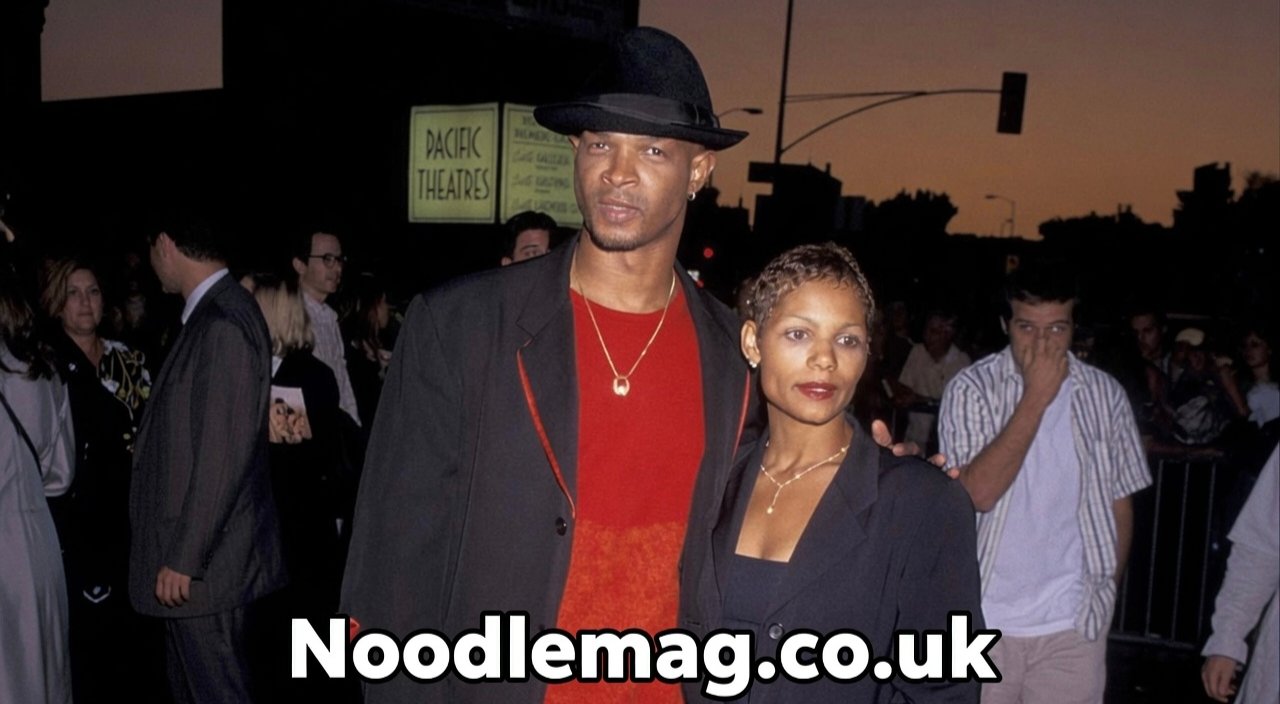
Lisa Thorner is a former American model and actress best known as the former wife of comedian, actor, writer, and producer Damon Wayans. Although she appeared in the public eye during their marriage, she has largely stayed away from media attention since their divorce. Her private lifestyle has made her one of the more mysterious figures connected to the famous Wayans family. Despite limited public information, verified records provide a clear picture of her family life, marriage, and background.
Who Is Lisa Thorner?
Lisa Thorner is an American former model and actress who became widely known through her marriage to Damon Wayans. Unlike many celebrity spouses, she has consistently chosen a private life and rarely makes public appearances or gives interviews.
Although some online sources describe her as an actress and model, very little verified information exists about her professional career. Most reliable reports focus on her family life rather than entertainment work. Following her divorce, she stepped away from the spotlight and has continued to maintain her privacy.
READ MORE: Who Is Cynthia Blaise? Actress and Dialect Coach’s Journey
Early Life and Background
Lisa Thorner was born in the United States and was raised in Texas, according to publicly available reports. Several sources list her birth date as March 9, 1963, although details about her childhood, education, parents, and siblings have never been publicly confirmed.
Because Lisa has avoided interviews and does not maintain a public social media presence, verified information about her early years remains limited. Responsible biographies therefore focus only on facts that have been consistently reported by reliable publications rather than speculation.
Career Before Marriage
Before becoming known as Damon Wayans’ wife, Lisa reportedly worked as a model and actress. However, there is little publicly available documentation regarding her modeling assignments or acting credits.
Unlike Damon Wayans, whose entertainment career has been extensively documented, Lisa’s professional work has remained largely private. After marrying and raising a family, public attention shifted almost entirely toward her role within the Wayans family rather than her own career.
Lisa Thorner and Damon Wayans’ Relationship
Lisa Thorner and Damon Wayans reportedly met while attending high school. They began dating during the early 1980s, long before Damon became one of Hollywood’s best-known comedians.
Their relationship continued for several years before they married on April 24, 1984. At that time, Damon Wayans was beginning to establish himself in the entertainment industry.
Throughout the following years, Lisa frequently accompanied her husband to public events and award ceremonies. As Damon’s popularity grew through television, stand-up comedy, and films, Lisa generally remained supportive while keeping a relatively low public profile.
Their marriage lasted approximately 16 years, making it one of the longer marriages within the entertainment industry during that period.
Their Four Children
Lisa Thorner and Damon Wayans share four children together.
Damon Wayans Jr.
Their eldest son, Damon Wayans Jr., was born in 1982. He followed his father’s career path and became a successful actor and comedian. He is well known for television series including Happy Endings and New Girl, along with several film appearances.
Michael Wayans
Their second son, Michael Wayans, was born in 1985. Like many members of the Wayans family, he has worked in entertainment as an actor and comedian, although he has maintained a lower public profile than his older brother.
Cara Mia Wayans
Their daughter Cara Mia Wayans was born on April 18, 1987. She has pursued acting and artistic work while occasionally appearing alongside members of her famous family.
Kyla Wayans
Their youngest daughter, Kyla Wayans, was born in 1991. Compared with some of her siblings, she has largely stayed away from the entertainment spotlight and keeps much of her personal life private.
Divorce in 2000
After spending approximately sixteen years together, Lisa Thorner and Damon Wayans ended their marriage in 2000.
Neither Lisa nor Damon publicly shared extensive details regarding the reasons behind their separation. Public reports simply state that the couple finalized their divorce after years of marriage.
Despite ending their relationship, both remained connected through their shared responsibility of raising their four children. Their divorce marked the end of one chapter but did not diminish their importance as parents within the Wayans family.
Life After the Divorce
Following the divorce, Lisa Thorner chose an extremely private lifestyle.
Unlike many celebrity ex-spouses, she did not seek media attention or pursue reality television, interviews, or social media influence. Public information indicates that she prefers living away from the spotlight and focusing on her family.
Because she avoids public appearances and does not maintain verified social media accounts, very little reliable information exists regarding her daily activities or professional pursuits after the divorce.
Does Lisa Thorner Use Social Media?
There is no verified evidence that Lisa Thorner maintains public accounts on Instagram, X (formerly Twitter), Facebook, or other major social media platforms.
Multiple reliable profiles note that she intentionally keeps her personal life private and has avoided building a public online presence. This decision has contributed to the mystery surrounding her current life.
Lisa Thorner’s Public Image
Although Lisa Thorner became famous because of her marriage, she has earned respect for maintaining privacy despite decades of public curiosity.
Many celebrity family members regularly appear in interviews or television programs, but Lisa has consistently avoided unnecessary publicity. As a result, most discussions about her focus on verified facts rather than speculation.
Her story demonstrates that not everyone connected to Hollywood chooses a public lifestyle, even after marrying one of America’s most recognizable comedians.
Connection to the Wayans Family
The Wayans family is widely recognized as one of Hollywood’s most successful entertainment families.
During her marriage, Lisa became part of this well-known family, whose members include actors, comedians, producers, writers, and directors. Even after the divorce, she remained connected through her four children, many of whom have continued the family’s entertainment legacy.
Why Lisa Thorner Remains a Popular Search Topic
Interest in Lisa Thorner continues because many fans of Damon Wayans want to learn more about his family life.
Searches often increase whenever Damon Wayans discusses his marriage, family, or children in interviews. Since Lisa rarely speaks publicly, reliable biographies remain limited, making verified information especially valuable.
Her privacy has only increased public curiosity, but responsible reporting depends on confirmed facts rather than assumptions.
Legacy
Lisa Thorner may not have built a highly public career, but her place within the history of the Wayans family remains significant.
She shared sixteen years of marriage with Damon Wayans and helped raise four children, several of whom have established successful entertainment careers of their own. Her decision to live privately has distinguished her from many celebrity family members, and that privacy continues to define how the public views her today.
Conclusion
Lisa Thorner is best known as the former wife of Damon Wayans and the mother of their four children. Their relationship began in the early 1980s, they married on April 24, 1984, and divorced in 2000 after approximately sixteen years together. While Damon remained in the entertainment spotlight, Lisa chose a quiet and private life. Because she rarely makes public appearances, only a limited amount of verified information is available about her today. Her story is ultimately one of privacy, family, and a lasting connection to one of Hollywood’s best-known entertainment families.
FAQs
1. Who is Lisa Thorner?
Lisa Thorner is a former American model and actress best known as the ex-wife of comedian and actor Damon Wayans.
2. When did Lisa Thorner marry Damon Wayans?
Lisa Thorner and Damon Wayans married on April 24, 1984.
3. How many children does Lisa Thorner have?
She has four children with Damon Wayans: Damon Wayans Jr., Michael Wayans, Cara Mia Wayans, and Kyla Wayans.
4. When did Lisa Thorner and Damon Wayans divorce?
Their marriage ended in 2000 after approximately sixteen years together.
5. Is Lisa Thorner active on social media?
No verified public social media accounts belonging to Lisa Thorner have been confirmed. She has chosen to maintain a private lifestyle.
Who Is Amanda Kate Lambert? Nancy Sinatra’s Daughter
Who Is Charles Donald Fegert? Barbara Eden’s Ex-Husband
Who Is Lisa Thorner? Damon Wayans’ Former Wife and Life Story

Noodle Magazine: Everything You Need to Know About This Trending Platform

Noodlemag: Your Trusted Guide to Recipes, Cooking & Food Ideas
