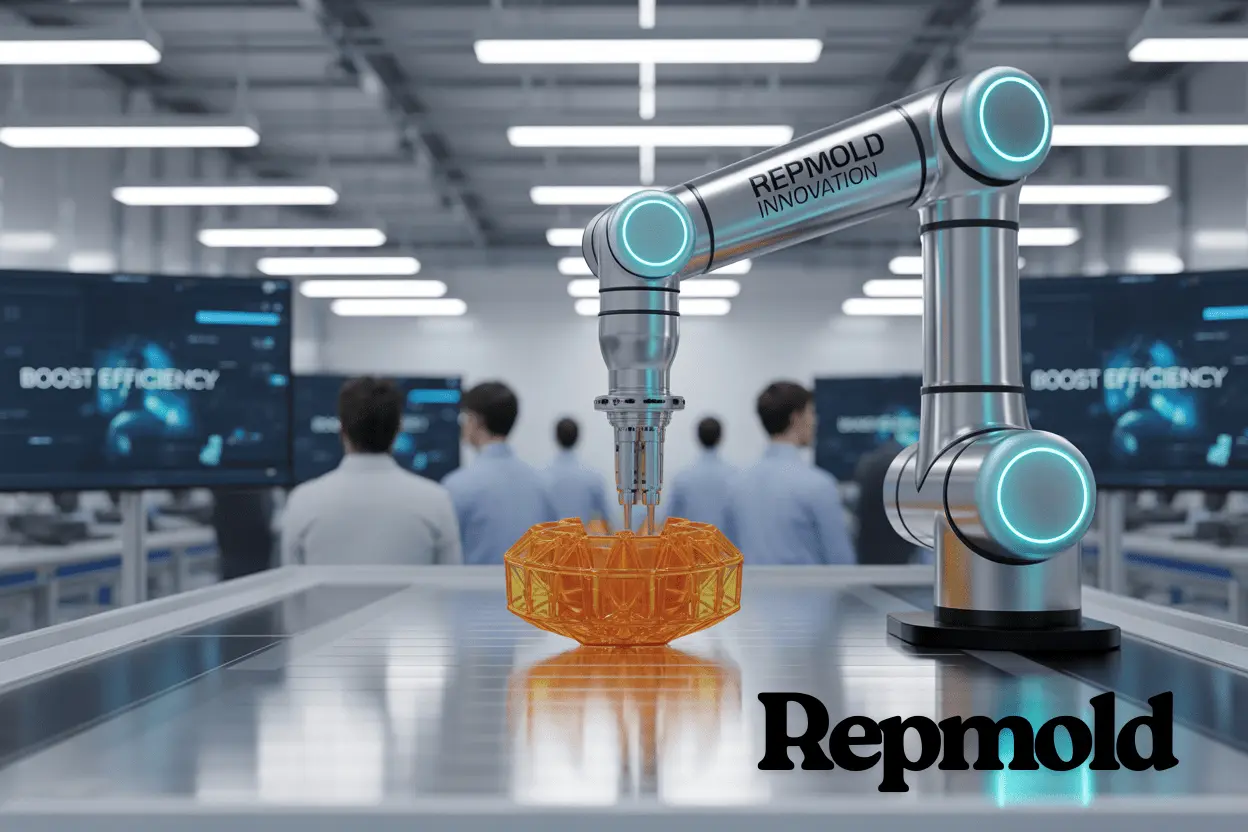
Modern manufacturing is undergoing a transformation powered by innovation, precision, and scalability. Industries want to create high-quality components quickly, repeatedly, and with minimal waste—yet traditional molding systems often struggle with speed, flexibility, and cost. This is where Repmold emerges as a next-generation approach, combining rapid prototyping, modular design, and repeatable mold technology into one unified system. Repmold is not just a manufacturing tool; it represents a new philosophy for how products can be designed, molded, improved, and remolded without starting from scratch.
Repmold technology addresses a fundamental challenge in manufacturing: how to replicate parts precisely while adapting them to design changes, production volume shifts, and new material requirements. Traditional molding systems demand costly retooling whenever modifications occur. Repmold introduces a different solution—molds that can be reconfigured, repeated, and remolded efficiently, saving both time and financial resources. With industries moving toward customization, sustainability, and automation, Repmold offers a practical pathway to meet these shifting trends.
This article explores the concept of Repmold in depth—its origins, principles, applications, advantages, limitations, and future potential. By understanding how Repmold integrates modular tooling with modern manufacturing philosophies, industries can envision a more flexible production ecosystem. Whether used for polymers, composites, bio-materials, or metal-based processes, Repmold pushes the boundaries of conventional mold engineering. The following sections break down its structure, functionality, and real-world impact in clear, comprehensive detail.
What Repmold Means in Modern Manufacturing
Repmold refers to a modular molding system designed for repeatable, adaptable, and cost-effective production of components. Rather than relying on a single, rigid mold that supports only one design, Repmold enables manufacturers to adjust parts of the mold without replacing the entire structure. It blends conventional molding with the flexibility of rapid prototyping, allowing designers to revise product models without pausing entire production lines.
In practical terms, Repmold is a universal mold base combined with interchangeable inserts or adjustable cavities. These inserts can be swapped or remachined based on new product requirements. This approach significantly reduces downtime and fabrication costs while enabling consistent output and high production quality.
The Core Principles Behind Repmold Systems
Repmold is built on principles that support adaptability and efficiency. At its core, it emphasizes three foundational concepts: repeatability, modularity, and rapid modification. Repeatability ensures every product molded through the system maintains identical specifications and tolerances. Modularity allows different sections of the mold to be reconfigured or replaced instead of discarding the entire unit. Rapid modification means that new prototypes or design upgrades can be incorporated quickly, reducing turnaround times.
These principles collectively redefine how factories approach molding. Instead of treating molds as static, single-use tools, Repmold promotes them as evolving systems capable of aligning with engineering updates. This shift increases productivity while supporting design freedom, giving companies greater control over their manufacturing workflows.
Components and Structure of a Repmold System
A Repmold system typically consists of a base mold frame, modular inserts, alignment systems, regulated temperature channels, and adjustable cavity blocks. The mold frame provides structural integrity, supporting high-pressure molding environments. Modular inserts are removable blocks that carry the design geometry. These inserts snap into or bolt onto the base frame, enabling quick changes when product variations occur.
The alignment system ensures precise positioning, preventing misalignment during molding cycles. Temperature-regulating channels help maintain consistent thermal conditions, which is crucial for material flow, curing, and cooling. Finally, adjustable cavity blocks allow fine-tuned adjustments to the mold’s internal dimensions, enabling manufacturers to respond to small design updates without replacing core components.
How Repmold Differs from Traditional Mold Technology
Traditional molds are typically custom-made for a single product shape or design. When design revisions occur, the mold must be completely remachined or replaced, leading to increased costs and longer development times. Repmold, by contrast, introduces a modular framework allowing for partial updates. Instead of replacing the whole mold, only the modified sections need adjustment.
This key difference transforms how companies manage manufacturing cycles. Traditional mold-making often demands expert machining and extensive lead times. Repmold simplifies this process by embracing standardized components and reconfigurable parts. The result is a streamlined system where design changes become significantly less disruptive.
Applications Across Manufacturing Industries
Repmold technology finds extensive applications across multiple industries that require reliable, repeatable molding solutions. The automotive sector uses Repmold for interior components, prototyping new parts, and testing custom variations. The consumer electronics industry benefits from rapid iteration cycles, enabling manufacturers to test new designs without retooling their entire production setup.
Medical device companies rely on repeatable precision, making Repmold ideal for small components requiring accurate molding. Packaging industries also benefit from adaptable molds, especially in businesses that frequently update container shapes or branding. Even aerospace and defense sectors employ Repmold for prototyping lightweight composite structures or testing performance-critical components.
Advantages of Repmold in Design and Production
The primary advantage of Repmold lies in the reduction of manufacturing costs and lead times. Because only certain sections of the mold require modification, organizations avoid the high overhead of producing full molds repeatedly. Another advantage is improved flexibility in product development. Designers can adapt product dimensions or structural features while production continues with minimal downtime.
Repmold also boosts sustainability. Reusable inserts and modular frames eliminate unnecessary scrap and material waste. Production scalability becomes easier as molds can be adjusted to support both small-batch and large-batch manufacturing runs. These advantages collectively enhance the economic and operational performance of manufacturing environments using Repmold.
Limitations and Challenges of Repmold Systems
Despite its benefits, Repmold is not without limitations. For highly complex geometries or extremely tight tolerances, fully custom molds may still outperform modular inserts. Some materials—especially high-temperature or high-pressure substances—may require specialized mold designs that cannot be easily adapted into modular setups.
Moreover, Repmold’s success depends on precise engineering. Improper alignment or poorly machined inserts can lead to defects. Manufacturers must invest in skilled technicians and quality control systems to ensure proper implementation. Initial setup costs can also be significant, even though long-term savings are substantial.
Recent innovations in CAD modeling, CAM machining, and 3D printing have strengthened Repmold’s viability. CAD tools enable detailed simulations of how new inserts will interact with existing mold frames. CAM systems streamline the machining of new inserts, reducing the time needed to fabricate revisions. Additive manufacturing (3D printing) facilitates rapid prototyping of test inserts before final metal machining.
Automation and robotics also complement Repmold. Automated mold-changing systems speed up the replacement of inserts. Smart sensors monitor cavity pressure, temperature, and alignment, ensuring consistent quality across cycles. These technological advancements help integrate Repmold into modern smart factories.
Repmold in Small Business and Startup Manufacturing
Repmold is particularly beneficial for startups and small businesses that lack the capital for extensive tooling investments. A modular system allows these companies to experiment with new product designs without committing to large, expensive molds. This flexibility accelerates product-market testing and reduces financial risk.
Small-scale manufacturers producing niche or custom items also favor Repmold. Modular inserts enable them to accommodate client-specific designs without rebuilding entire molds. This adaptability strengthens competitiveness and supports rapid business growth.
Impact of Repmold on Sustainability and Waste Reduction
Sustainability is one of the most important aspects of modern manufacturing. Traditional mold-making often produces significant waste due to repeated machining and disposal of outdated molds. Repmold reduces this problem by extending the lifespan of mold bases and allowing small, targeted updates. Less material is wasted, and fewer molds end up being discarded.
Furthermore, modular systems encourage efficient use of production resources. Instead of storing large numbers of molds for different product variations, manufacturers store compact insert sets. This reduces physical storage demands and aligns with environmentally conscious manufacturing strategies.
The Future of Repmold Technology
The future of Repmold lies in deeper integration with digital manufacturing technologies. Smart mold systems may incorporate real-time monitoring, AI-driven predictive maintenance, and self-adjusting inserts capable of responding to thermal or mechanical changes. Digital twins will allow engineers to test virtual replicas of modular molds before implementing physical changes.
As industries demand greater personalization, Repmold will play a vital role in enabling mass customization. Manufacturers will be able to produce personalized components without extensive retooling, ushering in a new era of flexible production capability. With trends leaning toward automation, lightweight materials, and eco-friendly manufacturing, Repmold is poised to become a foundational technology for next-generation production ecosystems.
Conclusion
Repmold represents a transformative step in modern manufacturing, offering unmatched flexibility, cost-efficiency, and sustainability compared to traditional mold systems. Its modular structure enables rapid design changes, supports scalable production, and reduces waste across the entire manufacturing lifecycle. Though it presents certain limitations, Repmold’s advantages far outweigh its challenges—especially as industries adopt more advanced digital tools, automation, and rapid prototyping techniques. As the manufacturing world shifts toward customization, speed, and precision, Repmold stands out as a powerful solution shaping the future of product creation.
In a time when online spaces can feel unsafe, overwhelming, or impersonal, myliberla com protection and community stands out as a concept built on trust, safety, and meaningful connection. At its core, this platform-focused idea is about creating a protected digital environment where individuals can freely express themselves while feeling genuinely supported by a community that values respect and accountability. This article explores how protection and community work together within myliberla com, why this balance matters today, and how users benefit from a system designed to put people first. By the end, readers will understand not just what myliberla com protection and community represent, but why they are becoming increasingly important in the modern digital world.
Understanding the Concept of Myliberla com Protection and Community
The phrase myliberla com protection and community is more than a technical label. It reflects a philosophy that blends digital safety with human connection. Protection focuses on safeguarding users from harm, misuse, or exploitation, while community emphasizes belonging, shared values, and constructive interaction.
Many online platforms focus heavily on growth and visibility, but fewer invest deeply in user well-being. Myliberla com approaches this differently. It treats protection as the foundation rather than an afterthought, ensuring that the community grows within clear boundaries. This combination creates a space where people feel comfortable contributing, learning, and connecting without constant fear or distrust.
In practice, this means protection and community are not separate systems. They reinforce each other. Strong protection encourages positive behavior, and a healthy community helps maintain safety organically through shared norms.
The Origins and Purpose Behind Myliberla com
Myliberla com emerged from the growing need for digital environments that prioritize ethical interaction. As online participation increased across industries, education, social causes, and creative spaces, so did concerns about privacy, harassment, and misinformation.
The purpose of myliberla com protection and community is rooted in three core goals. First, it aims to protect users’ personal boundaries and data. Second, it seeks to encourage thoughtful dialogue rather than reactive conflict. Third, it strives to build a sustainable community that can evolve without losing its values.
Instead of reacting to problems after they escalate, the platform concept emphasizes prevention. This proactive mindset sets it apart from many traditional online models that rely on reactive moderation alone.
Platform Overview and Core Focus Areas
The following table offers a clear snapshot of what defines myliberla com protection and community and how its focus areas interact.
This overview shows that protection is not limited to technical safeguards. It also includes cultural and behavioral expectations that shape how users interact daily.
Why Protection Matters in Digital Communities
Protection is often misunderstood as restriction. In reality, it provides freedom. When people feel safe, they are more likely to participate honestly and creatively. Myliberla com protection and community rely on this principle.
Digital harm can take many forms, including data misuse, targeted harassment, and emotional manipulation. Even subtle issues, such as unclear rules or inconsistent enforcement, can erode trust over time. By addressing these risks directly, myliberla com creates a stable environment where users know what to expect.
Protection also reduces burnout. Constant vigilance exhausts users, while a protected space allows them to focus on meaningful engagement. This shift changes the overall tone of interaction from defensive to collaborative.
Community as the Heart of the Experience
While protection sets boundaries, community brings life to the platform. A community is not simply a group of users; it is a network of relationships built on shared understanding.
Within myliberla com protection and community, individuals are encouraged to contribute positively. This could mean sharing insights, offering feedback, or simply listening. Over time, these small interactions create trust, which is essential for long-term engagement.
Healthy communities also self-regulate. Members who feel invested are more likely to uphold standards and guide newcomers. This peer-driven accountability reduces reliance on top-down enforcement and strengthens collective ownership.
Balancing Freedom and Responsibility
One of the biggest challenges in any online space is balancing freedom of expression with responsibility. Too much control stifles creativity, while too little leads to chaos. Myliberla com protection and community aim for balance.
Clear guidelines help users understand acceptable behavior without feeling constrained. These guidelines are not designed to silence disagreement but to ensure discussions remain respectful and productive. By framing responsibility as a shared value rather than a rulebook, the platform encourages thoughtful participation.
This balance also empowers users. When people know the boundaries, they can express themselves confidently without second-guessing every word.
How Protection Builds Trust Over Time
Trust is not built overnight. It grows through consistent action and transparent practices. In the context of myliberla com protection and community, trust develops when users see that rules are applied fairly and concerns are addressed promptly.
Consistency matters. When users observe that protection measures are reliable, they are more willing to engage deeply. Over time, this trust transforms casual participants into committed members who actively contribute to the community’s health.
Trust also attracts diversity. People from different backgrounds are more likely to join when they believe they will be treated with respect and fairness.
Real-World Applications Across Different Fields
The principles behind myliberla com protection and community are not limited to a single industry. They can be applied across education, creative collaboration, professional networking, and social initiatives.
In educational contexts, protection ensures learners feel safe asking questions. Community encourages peer-to-peer learning and mentorship. In creative spaces, protection guards intellectual work, while community fosters collaboration. Even in professional environments, these principles support constructive feedback and ethical conduct.
This adaptability highlights the strength of the model. By focusing on human needs rather than narrow use cases, myliberla com remains relevant across multiple domains.
Challenges and How They Are Addressed
No system is perfect. Even with strong values, challenges arise. Conflicts may occur, misunderstandings can escalate, and external pressures may test the platform’s resilience.
The key lies in response. Myliberla com protection and community emphasize learning from challenges rather than ignoring them. Feedback loops allow users to voice concerns, and adaptive policies evolve as the community grows.
Addressing challenges openly reinforces trust. When users see that issues lead to improvement, they feel heard and respected.
The Role of Education and Awareness
Protection is most effective when users understand it. Education plays a crucial role in helping individuals recognize safe practices and respectful behavior.
Within the framework of myliberla com protection and community, awareness initiatives help users navigate digital interactions thoughtfully. This might include guidance on communication tone, privacy awareness, or conflict resolution.
Education transforms protection from an external force into an internal mindset. Users begin to protect not only themselves but also each other.
Long-Term Impact on Digital Culture
The broader impact of myliberla com protection and community extends beyond a single platform. It contributes to shaping a healthier digital culture overall.
When users experience respectful, protected environments, they carry those expectations elsewhere. Over time, this can influence how people interact across the internet, raising standards collectively.
This ripple effect demonstrates that protection and community are not just features. They are cultural drivers that redefine what online interaction can look like.
Conclusion
Myliberla com protection and community represent a thoughtful approach to building digital spaces that prioritize people over noise. By combining strong protective measures with a culture of mutual respect, the model creates an environment where users feel safe, valued, and empowered. Protection provides stability, community fosters connection, and together they form a sustainable ecosystem. For anyone seeking meaningful online engagement without compromising safety or integrity, this approach offers a clear and inspiring path forward.
Frequently Asked Questions (FAQs)
What does myliberla com protection and community mean?
It refers to a digital approach that combines user safety with a supportive, respectful community environment.
Why is protection important in online communities?
The internet is constantly evolving, and with it come new platforms, communities, and digital trends that spark curiosity. One such emerging term is intermetchicks, which has started appearing in online searches, discussions, and niche communities. Many people encounter this word without fully understanding what it represents or why it is gaining attention. This in-depth guide explains the concept in simple, engaging language, helping readers understand its purpose, features, benefits, and future potential while answering common questions clearly.
What Is Intermetchicks?
Intermetchicks is commonly understood as an online concept or digital platform focused on interaction, connection, and community-driven engagement. While interpretations can vary depending on context, it generally refers to a space where people connect through shared interests, discussions, or digital networking. The appeal of intermetchicks lies in its interactive nature, allowing users to participate actively rather than passively consume content. This approach aligns with modern internet behavior, where users value authenticity, real interaction, and meaningful engagement over static information.
Why Intermetchicks Is Gaining Popularity
The rapid rise of intermetchicks can be linked to shifting online habits. Users today prefer platforms that encourage participation, personalization, and community feedback. Intermetchicks fits into this demand by offering a more interactive digital experience. Additionally, the increased use of mobile devices and social platforms has fueled interest in new online communities. As people seek alternatives to overcrowded mainstream platforms, intermetchicks appears as a fresh option that feels more focused and user-driven.
Key Features That Define Intermetchicks
One of the defining aspects of intermetchicks is its emphasis on user interaction. Features often include discussion tools, profile customization, and content-sharing options that encourage communication. Another important feature is accessibility, making it easy for both beginners and experienced users to engage. Many people appreciate that intermetchicks-style platforms prioritize simplicity, reducing the learning curve while still offering meaningful functionality that supports long-term engagement and trust.
How Intermetchicks Differs From Traditional Platforms
Traditional digital platforms often focus on broadcasting content to large audiences, while intermetchicks-style environments focus more on two-way or multi-way communication. Instead of competing for visibility through algorithms alone, users are encouraged to build connections organically. This difference makes interactions feel more personal and less commercial. As a result, intermetchicks stands out as a concept that values quality interaction over quantity, which resonates strongly with modern users.
Benefits of Using Intermetchicks
Using intermetchicks offers several advantages for individuals seeking authentic online experiences. It allows users to connect with like-minded people, share ideas freely, and participate in meaningful conversations. Another benefit is the sense of belonging it creates, which can be missing on larger platforms. Additionally, intermetchicks often promotes respectful interaction, helping users feel safer and more comfortable while engaging online. These benefits contribute to stronger communities and higher user satisfaction.
Safety and Trust Considerations
Online safety is always a priority, and intermetchicks-related platforms typically emphasize responsible use. Users are encouraged to protect personal information and engage respectfully. Clear community guidelines and moderation tools help maintain a positive environment. Trust is built when users feel confident that their interactions are valued and protected. This focus on safety and transparency plays a major role in why many users continue to explore and support intermetchicks communities.
The Role of Intermetchicks in Modern Digital Culture
Digital culture is shifting toward smaller, interest-based communities, and intermetchicks fits perfectly into this trend. It represents a move away from one-size-fits-all platforms toward more personalized digital spaces. These environments allow users to express themselves freely and build genuine connections. As online culture continues to evolve, intermetchicks reflects a broader desire for authenticity, interaction, and meaningful engagement in the digital world.
Future Potential of Intermetchicks
Looking ahead, intermetchicks has strong potential for growth as digital communities continue to expand. As technology improves, features such as enhanced personalization and smarter moderation could further improve user experiences. The concept may also adapt to new trends, including mobile-first usage and integrated communication tools. With the increasing demand for trustworthy and engaging online spaces, intermetchicks is well-positioned to remain relevant in the future.
How to Get Started With Intermetchicks
For beginners, getting started with intermetchicks is usually straightforward. Users can begin by exploring available communities, reading guidelines, and observing interactions before participating. Taking time to understand the culture helps ensure positive experiences. Engaging thoughtfully, asking questions, and contributing valuable insights can quickly help new users feel comfortable and connected within the intermetchicks environment.
Conclusion
Intermetchicks represents a growing shift in how people interact online, focusing on meaningful connections, community engagement, and user-driven experiences. As digital users continue to seek authentic and interactive spaces, the appeal of intermetchicks is likely to increase. By understanding its features, benefits, and safety considerations, users can make informed decisions and enjoy a more rewarding online experience in this evolving digital landscape.
FAQs About Intermetchicks
What does intermetchicks mean? Intermetchicks generally refers to an online concept or community-focused platform designed to encourage interaction, connection, and shared engagement among users with similar interests.
Is intermetchicks safe to use? Safety depends on responsible use and platform guidelines. Most intermetchicks-style communities emphasize moderation, respectful behavior, and personal data protection to create a secure environment.
Who can benefit from intermetchicks? Anyone looking for meaningful online interaction, smaller communities, or interest-based discussions can benefit from using intermetchicks platforms.
Is intermetchicks free to join? Many intermetchicks-related platforms offer free access, though some may include optional premium features depending on the specific service or community.
Why is intermetchicks becoming popular now? Its popularity is driven by changing digital habits, where users prefer authentic interaction, community trust, and personalized experiences over large, impersonal platforms.
If you’ve ever worked with software development, web servers, or debugging tools, you may have encountered an address like 127.0.0.1:62893. At first glance, it looks confusing, especially for beginners. However, this address plays a crucial role in local development, testing, and application communication. Understanding what it means can help you troubleshoot errors, improve performance, and work more confidently with local environments. This guide explains everything in simple terms—what 127.0.0.1 is, why port 62893 is used, common problems, security considerations, and practical solutions. Whether you’re a developer, student, or tech enthusiast, this article will give you clarity and confidence.
What Is 127.0.0.1?
127.0.0.1 is commonly known as localhost. It is a loopback IP address that points back to your own computer. When your system sends a request to this address, it doesn’t go out to the internet. Instead, it stays inside your device. This allows developers and applications to test services locally without exposing them publicly.
Localhost is essential for development because it offers a safe and controlled environment. Web servers, APIs, databases, and background services often run on 127.0.0.1 during testing. Since it’s standardized across operating systems, it behaves the same way on Windows, macOS, and Linux. This reliability makes localhost the backbone of modern software development and debugging workflows.
Understanding Port Numbers (Why 62893 Matters)
What Is a Port?
A port is a virtual communication endpoint used by applications to send and receive data. While an IP address identifies a device, a port identifies a specific service running on that device. Think of it as different doors inside the same building—each door leads to a different room or service.
Ports range from 0 to 65535. Some ports are reserved (like 80 for HTTP or 443 for HTTPS), while others are dynamically assigned. Port 62893 usually falls into the dynamic or ephemeral range, meaning it’s often chosen automatically by an application when it starts.
Why Port 62893 Is Used
When you see 127.0.0.1:62893, it usually means a locally running application has opened a temporary port. Development servers, debugging tools, or local APIs often select random high-numbered ports to avoid conflicts. This ensures smooth communication without interfering with other services already running on your system.
Common Uses of 127.0.0.1:62893
Local Web Development
Developers frequently use localhost addresses with custom ports to test websites and applications. Frameworks like Node.js, Python Flask, or .NET often spin up local servers on random ports. Accessing 127.0.0.1:62893 in a browser might show a development dashboard, API response, or test site.
This approach allows developers to see changes instantly without deploying code to a live server. It speeds up development and reduces the risk of breaking production systems.
Application Debugging and Testing
Many desktop applications and background services communicate internally using localhost and dynamic ports. Debugging tools, IDEs, and monitoring services may temporarily use 127.0.0.1:62893 to exchange data. This internal communication is fast, secure, and isolated from external networks.
Because everything happens locally, developers can analyze logs, inspect requests, and fix bugs efficiently.
Is 127.0.0.1:62893 Safe?
In most cases, 127.0.0.1:62893 is completely safe. Since localhost traffic never leaves your device, external users cannot access it directly. This makes it ideal for testing sensitive features like authentication systems or payment logic.
However, risks can arise if misconfigured applications expose localhost services to external networks. Firewalls, antivirus software, and proper configuration help prevent such issues. As long as you trust the application using the port and keep your system updated, localhost usage remains secure.
Common Errors Related to 127.0.0.1:62893
Connection Refused Error
A “connection refused” error usually means nothing is listening on port 62893. This can happen if the application stopped running or failed to start properly. Restarting the service often resolves the issue.
Port Already in Use
Sometimes, another application may already be using the same port. When this happens, your program cannot bind to it. Changing the port number or stopping the conflicting service can fix the problem.
Firewall or Security Software Blocking Access
Although localhost traffic is internal, some security tools may still block it. If 127.0.0.1:62893 isn’t responding, temporarily disabling or adjusting firewall rules can help identify the cause.
How to Fix Issues with 127.0.0.1:62893
Step-by-Step Troubleshooting
First, confirm that the application using the port is running. Check logs or the task manager to ensure the process is active. Next, verify the port number in the configuration file. A simple typo can cause connection failures.
If problems persist, restart your computer to clear any lingering processes. You can also use network diagnostic tools to see which application is bound to port 62893. These steps resolve most localhost-related issues quickly and effectively.
SEO and Performance Considerations for Local Servers
Localhost addresses like 127.0.0.1:62893 are not indexed by search engines. They are meant strictly for development and testing. Before publishing a website, developers must deploy it to a public domain with proper hosting.
However, optimizing performance locally is still important. Fast load times, clean code, and efficient APIs tested on localhost translate into better performance when deployed live. Local testing ensures smoother launches and fewer surprises.
When Should You Be Concerned?
If you notice unexpected applications frequently opening random ports like 62893, it’s worth investigating. Unknown processes could indicate misconfigured software or, in rare cases, malware. Use trusted system monitoring tools to identify the source.
That said, most occurrences of 127.0.0.1:62893 are harmless and related to legitimate development or system tools. Awareness and basic system hygiene are usually enough to stay safe.
Conclusion
Understanding 127.0.0.1:62893 removes much of the mystery around localhost and port usage. This address simply represents a local service running on your own machine, often for development, testing, or internal communication. By learning how ports work, recognizing common errors, and knowing how to fix them, you gain better control over your system and applications. Whether you’re debugging code or just curious, mastering localhost concepts is a valuable skill in today’s digital world.
FAQs
What does 127.0.0.1:62893 mean?
It refers to a service running locally on your computer (127.0.0.1) using port 62893. The traffic never leaves your device and is commonly used for testing or internal communication.
Why does my browser open 127.0.0.1:62893 automatically?
Some applications start a local server for dashboards, APIs, or debugging tools. When launched, they may automatically open the associated localhost address in your browser.
Can hackers access 127.0.0.1:62893?
No, external users cannot directly access localhost addresses. Only your own machine can communicate with 127.0.0.1 unless there is a serious misconfiguration.
How do I stop a service using port 62893?
You can stop the application using that port through your task manager or terminal. Identifying the process first ensures you don’t shut down something important.
Is it okay to change the port number?
Yes, most applications allow you to change ports. If 62893 causes conflicts, switching to another unused port is a safe and common solution.















 Business5 months ago